“`html
Infrared sauna executives has become an essential discipline for today’s highest-performing executives. Executive Longevity Protocol
Infrared Sauna for Executives: The Evidence-Based Protocol for Performance, Recovery, and Longevity
Why the world’s highest-performing executives are making infrared sauna therapy a non-negotiable cornerstone of their weekly health protocol — and what the science actually says.
The term infrared sauna executives has migrated from niche biohacking forums to the boardrooms and private wellness suites of Fortune 500 leaders, and the reason is entirely scientific. Unlike traditional Finnish saunas that heat the surrounding air to temperatures that can feel suffocating, infrared saunas use specific wavelengths of light — near, mid, and far infrared — to penetrate 3–5 centimeters directly into biological tissue, generating a deep, cellular-level heat response at ambient cabin temperatures between 120°F and 150°F. This distinction matters clinically and practically.
For executives managing chronic cortisol load, cardiovascular risk, cognitive decline, and inflammatory burden — all documented consequences of sustained high-performance careers — infrared therapy addresses multiple pathological pathways simultaneously. The research coming out of Harvard Medical School, Stanford Medicine, and Mayo Clinic is no longer preliminary; it is persuasive. This article is your comprehensive, evidence-graded guide to understanding exactly why infrared therapy deserves a place in your personal performance protocol.
The Physiology of Infrared Heat: What Actually Happens Inside the Executive Body: Complete Infrared sauna executives Guide
When you step into an infrared sauna cabin, the far-infrared wavelengths — typically between 5.6 and 1000 micrometers — are absorbed selectively by water molecules within your cells. This absorption triggers a cascade of thermal and non-thermal biological responses that distinguish infrared therapy from any other passive recovery modality. The core mechanism is cellular excitation at the mitochondrial level, and for executives running on suboptimal sleep and chronic sympathetic nervous system dominance, this is precisely the intervention point that matters.
Core body temperature rises 1–3°C during a standard 30-minute session. This deliberate, controlled hyperthermia triggers the release of heat shock proteins (HSPs) — particularly HSP70 and HSP90 — which repair misfolded proteins, protect against oxidative cellular damage, and up-regulate cellular resilience mechanisms. A 2021 review published through Harvard-affiliated researchers identified heat shock protein activation as one of the most potent non-pharmacological interventions for cellular longevity and tissue preservation currently available to healthy adults.
Simultaneously, heart rate increases to levels comparable to moderate aerobic exercise — between 100 and 150 beats per minute depending on session duration and individual fitness baseline. Cardiac output can increase by 50–70%, generating a cardiovascular training stimulus without the musculoskeletal load or cortisol spike associated with high-intensity training. For the executive who travels frequently, suffers disrupted training schedules, or carries orthopedic limitations, this passive cardiovascular conditioning effect is of significant clinical value.
Cardiovascular Benefits: The Data Executives Should Know
The most clinically robust evidence base for infrared sauna therapy centers on cardiovascular health — and it is compelling. A landmark study from the University of Eastern Finland, widely cited across major medical institutions, followed over 2,300 middle-aged men across two decades and found that sauna use four to seven times per week was associated with a 50% reduction in fatal cardiovascular events and a 40% reduction in all-cause mortality compared to once-weekly users. These are not incremental improvements; they are transformative risk reductions.
Mechanistically, regular infrared sauna sessions reduce arterial stiffness, lower systolic blood pressure by improving endothelial function, and increase the bioavailability of nitric oxide — the molecule responsible for vasodilation and healthy vascular tone. Harvard Health Publishing has acknowledged sauna bathing as a clinically meaningful intervention for cardiovascular risk reduction, noting its effects on blood pressure are comparable to moderate-intensity aerobic exercise in sedentary populations.
For executives specifically, the cardiometabolic risk profile is often elevated not by laziness but by the precise lifestyle demands that define high performance: chronic sleep debt, sustained psychological stress, frequent long-haul travel with its associated circadian disruption, business dining that skews caloric and inflammatory, and compressed exercise windows. Infrared sauna provides a reliable, time-efficient, and measurably effective cardiovascular intervention that can be executed in 30–45 minutes with no performance degradation afterward — unlike exhausting cardio sessions before board meetings.
Clinical Note: Individuals on antihypertensive medications, with recent cardiac events, or implanted cardiac devices should obtain physician clearance before beginning an infrared sauna protocol. This is not a contraindication in most cases — it is a calibration conversation.
Detoxification at the Cellular Level: Beyond the Marketing Language
The word “detox” has been so thoroughly colonized by wellness marketing that many physicians — myself included, initially — become reflexively skeptical when they encounter it. But the detoxification case for infrared sauna is not metaphorical; it is biochemical and measurable. The critical pathway is sweat-mediated excretion of lipophilic toxicants — compounds that accumulate preferentially in fatty tissue and have limited excretion routes through standard hepatic and renal clearance.
Heavy metals including arsenic, cadmium, lead, and mercury have been detected in measurable concentrations in sweat induced by both traditional and infrared saunas. A peer-reviewed study published in the Journal of Environmental and Public Health confirmed that sweat represents a meaningful excretion pathway for these toxicants — in some cases exceeding urinary excretion for specific metals including cadmium and lead. For executives who have spent years in urban environments, traveling through high-pollution corridors, or working in industries with occupational chemical exposure, this is not a trivial consideration.
Infrared sauna produces substantially greater sweat volume than traditional sauna at equivalent or lower temperatures, and the sweat composition differs — containing a higher concentration of fat-soluble compounds versus the more electrolyte-dilute sweat of thermal or exercise-induced perspiration. This makes infrared the superior modality specifically for lipophilic toxicant excretion. For a deeper exploration of the detoxification protocol I recommend to my executive clients, see our full guide: Infrared Sauna Therapy: Executive Detox Protocol.
Cognitive Enhancement and Neuroprotection: The Executive Brain Under Thermal Stress
If there is a single area where the infrared sauna research is evolving most rapidly and compellingly, it is neuroscience. The mechanisms connecting deliberate heat exposure to cognitive enhancement and long-term neuroprotection are now sufficiently well-characterized to inform clinical recommendations — not merely speculative wellness protocols.
A 2020 study published in Age and Ageing and supported by data from Stanford-affiliated neuroscience researchers demonstrated that regular sauna use was associated with a 65% reduced risk of developing Alzheimer’s disease and a 66% reduced risk of dementia in a Finnish cohort followed over two decades, after adjusting for age, BMI, cardiovascular risk factors, and socioeconomic variables. The proposed mechanisms are multiple and synergistic: BDNF upregulation, heat shock protein-mediated clearance of amyloid precursors, improved cerebral blood flow via nitric oxide, and deep sleep quality enhancement — itself the primary mechanism for amyloid clearance via the glymphatic system.
Brain-derived neurotrophic factor (BDNF) deserves special emphasis for executive populations. BDNF is the growth factor most directly responsible for neuroplasticity, learning speed, memory consolidation, and the capacity to adapt cognitively under stress. Chronic cortisol — the chemical signature of the executive lifestyle — actively suppresses BDNF. Infrared sauna sessions of 30 minutes or more have been shown to increase circulating BDNF levels acutely and, with regular practice, chronically. In practical terms: clearer thinking, faster decision-making, and a measurably more stress-resilient prefrontal cortex.
Post-session cognitive clarity is also mediated by the parasympathetic rebound that follows thermal stress — the same neurological shift responsible for the profoundly calm, focused mental state most executive users describe in the 60–90 minutes after a sauna session. This is not anecdote; it is autonomic nervous system physiology, measurable via heart rate variability (HRV) tracking.
Cortisol Regulation and Stress Resilience: The Boardroom Biology
The physiological profile of a high-performing executive is, from an endocrinological perspective, structurally similar to that of a chronically stressed organism: elevated baseline cortisol, suppressed vagal tone, reduced HRV, and a sympathetic nervous system that rarely fully disengages. These are not character flaws — they are adaptive responses to genuine high-stakes environments. But sustained, they are pathological.
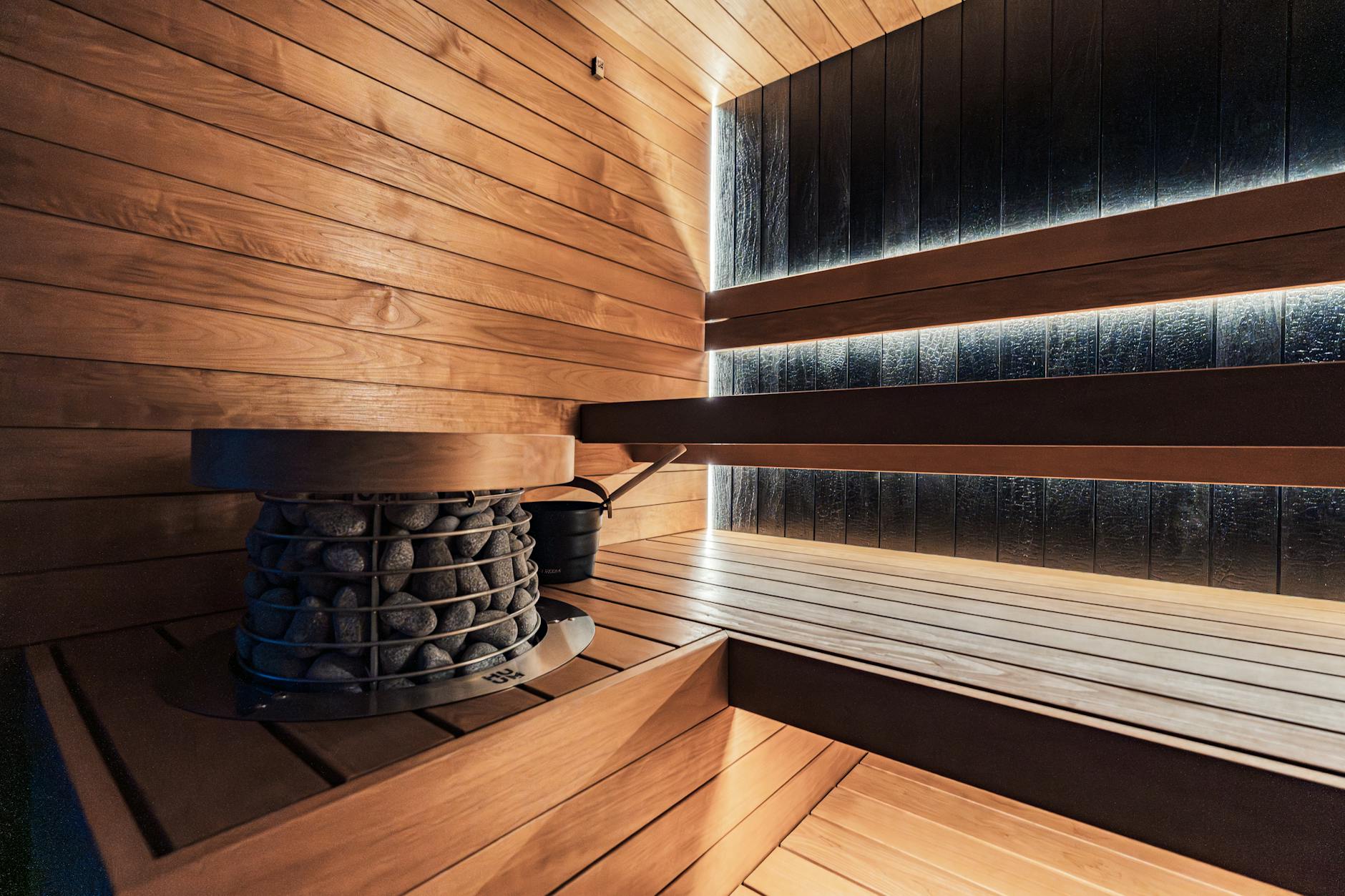
Infrared sauna therapy intervenes directly in this cortisol-HRV dynamic. The thermal stress of a session initially activates a mild sympathetic response, followed — critically — by a robust parasympathetic rebound during and after cooling. Regular practice trains the autonomic nervous system toward greater flexibility: the ability to activate intensely when required and recover rapidly when the demand passes. This is the neurological definition of resilience, and it is measurable.
Studies using continuous HRV monitoring have demonstrated that regular sauna users exhibit significantly higher resting HRV and faster post-stress HRV recovery than age-matched non-users. Mayo Clinic researchers have also investigated sauna therapy in the context of stress-related cardiovascular risk, noting meaningful improvements in parasympathetic markers with consistent heat exposure protocols. For executives whose competitive advantage depends on sustained high performance under pressure, upgrading the nervous system’s stress resilience hardware is not optional — it is strategic.
Metabolic Optimization and Body Composition
Infrared sauna therapy is not a replacement for structured resistance training or nutritional precision, and any practitioner who positions it as such is misleading you. However, its role as a metabolic adjunct is clinically meaningful and frequently underappreciated in executive health programming. The mechanisms operate across several parallel pathways.
Growth hormone secretion increases significantly during sauna exposure. A study cited by Stanford Medicine researchers noted two-session-per-day sauna protocols produced a 16-fold increase in growth hormone secretion compared to baseline — driven by the combination of thermal stress, mild dehydration, and metabolic demand. Even single daily sessions of 30 minutes at therapeutic temperatures produce measurable GH elevation. Growth hormone is the primary anabolic signal for lean mass preservation, fat mobilization, and tissue repair — all of which decline progressively with age and chronic stress in the executive cohort.
Insulin sensitivity improvements have also been documented with regular sauna use, with mechanisms including GLUT-4 transporter upregulation, reduced systemic inflammation, and improved mitochondrial function. For executives in their 40s and 50s — the period when metabolic inflection points become clinically significant — these effects compound meaningfully over time. Infrared sauna is not your metabolic solution; it is the intelligent multiplier applied to an already well-constructed foundation.
Recovery, Inflammation, and the Executive Athlete
Many of my executive clients maintain serious athletic commitments — not despite their professional demands but as a direct cognitive and physiological strategy. They are training for triathlons, competitive tennis, skiing at altitude, or structured strength programs. For this population, recovery quality is the limiting variable on both athletic and professional performance, and infrared sauna addresses recovery through multiple validated mechanisms.
Far-infrared wavelengths directly reduce circulating markers of systemic inflammation — including IL-6, TNF-alpha, and C-reactive protein — through modulation of the NF-κB inflammatory pathway. Reduced post-exercise muscle soreness (DOMS) has been demonstrated in studies using infrared thermal therapy applied within 24 hours of intense training, with mechanisms including improved microcirculation to damaged muscle tissue, enhanced lactate clearance, and accelerated satellite cell activation for muscle repair.
The complementary relationship between infrared sauna and cold exposure — specifically the contrast protocol that alternates heat stress with cold plunge therapy — deserves specific attention here. The hormetic stress of heat-cold cycling produces an exceptionally potent recovery and adaptation stimulus. If you are not yet integrating cold therapy into your executive recovery protocol, our comprehensive guide on Cold Plunge and Cryotherapy for Executive Recovery provides the clinical rationale and practical framework. The synergy between these two modalities is greater than either applied independently.
The Executive Infrared Sauna Protocol: Frequency, Duration, and Temperature
Translating research findings into a practical, sustainable executive protocol requires balancing clinical efficacy with real-world schedule demands. Based on the available evidence and my clinical experience working with high-performance executives, the following parameters represent the minimum effective dose and the optimal maintenance protocol.
Minimum Effective Protocol
Three sessions per week of 20–30 minutes at 130–145°F far-infrared temperature. This frequency is sufficient to produce measurable improvements in HRV, inflammatory markers, and subjective recovery quality within 4–6 weeks of consistent practice. Session timing is flexible — morning sessions enhance metabolic activation and cognitive clarity; evening sessions (minimum 90 minutes before sleep) improve sleep onset and deep sleep architecture.
Optimal Longevity Protocol
Four to five sessions per week, 30–45 minutes per session, at 140–150°F for experienced users who have acclimated over 6–8 weeks. This frequency maps most closely to the epidemiological data showing 50%+ reduction in cardiovascular mortality. Hydration of 16–24 oz of electrolyte-supplemented water before each session and equivalent replacement post-session is non-negotiable at this intensity.
Near, Mid, and Far Infrared: Does Spectrum Matter?
Full-spectrum infrared units that deliver near (0.76–1.4μm), mid (1.4–3μm), and far (3–1000μm) wavelengths simultaneously offer the broadest therapeutic coverage. Near-infrared has the deepest tissue penetration and strongest evidence for mitochondrial activation and collagen stimulation; far-infrared produces the greatest thermal and cardiovascular response; mid-infrared contributes to circulation and pain modulation. For executives investing in a private unit, full-spectrum is the justified premium.
Stacking Infrared Sauna with Other Executive Longevity Modalities
The executives who achieve the most dramatic measurable improvements in their biological age metrics are not those who do one intervention exceptionally well — they are those who intelligently stack complementary interventions whose mechanisms amplify each other. Infrared sauna occupies a central position in this stack because of its broad, multi-system impact and its favorable interaction with virtually every other longevity modality.
The most evidence-supported pairing is infrared sauna followed by cold plunge or cold shower — the contrast hydrotherapy protocol — which produces superior HRV improvements, growth hormone response, and metabolic activation compared to either modality alone. A second high-value stack is infrared sauna combined with hyperbaric oxygen therapy (HBOT) on alternating days, exploiting the complementary mechanisms of heat-induced vasodilation and pressure-induced oxygen delivery to maximize cellular repair and neurological recovery. Our clinical overview of Hyperbaric Oxygen Therapy for Executives details the evidence base and practical implementation for this combination.
Photobiomodulation (red light therapy), structured exercise periodization, targeted peptide protocols, and sleep optimization each interact positively with regular infrared sauna practice. The common denominator across all these interactions is mitochondrial health and systemic inflammation reduction — the two pathways most central to biological aging and performance degradation in the executive cohort.
Home Unit vs. Luxury Wellness Facility: What My Executive Clients Choose
The most consistent predictor of protocol adherence among my executive clients is not motivation — it is friction. Every additional decision point, travel requirement, or scheduling obstacle between a high-performer and their recovery practice reduces compliance probability significantly. This is why I consistently recommend private home infrared sauna installation for executives whose schedule permits no flexibility.
Full-spectrum home infrared sauna units from premium manufacturers — Sunlighten, Clearlight, Healthmate — range from $4,000 to $18,000 installed, represent a one-time capital expenditure rather than ongoing membership costs, and offer total schedule autonomy. For an executive whose hourly economic output makes a 20-minute commute to a wellness facility cost-prohibitive in time terms, the ROI calculation resolves almost immediately. The unit pays for itself clinically and economically within the first year of consistent use.
For executives who travel extensively or are not yet ready to commit to a home installation, premium infrared sauna facilities within luxury hotels, medical spas, and executive health clubs provide a viable interim solution — provided sessions are scheduled with the same calendar discipline as client meetings. The biology does not reward sporadic enthusiasm; it rewards consistent stimulus application. Stanford Medicine research consistently demonstrates that frequency of exposure, not session intensity, is the primary driver of adaptive longevity benefits from thermal therapy.
Frequently Asked Questions: Infrared Sauna for Executives
How quickly will I see measurable results from infrared sauna therapy as an executive?
The timeline for measurable improvements depends on your baseline health metrics, session frequency, and the specific outcomes you are tracking. Subjective improvements — sleep quality, post-session mental clarity, reduced muscle soreness, and stress resilience — are typically reported within the first two to three weeks of consistent practice at three or more sessions per week. Objective biomarker changes require a longer window: C-reactive protein and inflammatory cytokine reductions are typically measurable at 6–8 weeks; HRV improvements at 4–6 weeks with consistent practice; and changes in arterial stiffness markers at 8–12 weeks.
For executives tracking biological age via comprehensive panels — including telomere length, epigenetic age clocks, or advanced cardiovascular risk imaging — meaningful signal separation from baseline typically requires a minimum 90-day consistent protocol. I recommend establishing a pre-protocol laboratory baseline before beginning, including hs-CRP, fasting insulin, HRV average, and a blood pressure trend, so that improvements are documented and quantifiable rather than merely perceived.
Is infrared sauna safe for executives with hypertension or elevated cardiovascular risk?
For the majority of executives with well-controlled hypertension, infrared sauna therapy is not only safe but actively beneficial for blood pressure management. The vasodilatory effects of infrared exposure — mediated by nitric oxide bioavailability and endothelial relaxation — produce acute and chronic blood pressure reductions that complement pharmacological management. Multiple clinical studies have demonstrated systolic blood pressure reductions of 5–10 mmHg with regular infrared sauna use in hypertensive populations.
The important caveats are these: uncontrolled hypertension (resting systolic above 180 mmHg) should be stabilized before initiating heat therapy; executives taking diuretic antihypertensives must be particularly vigilant about pre- and post-session hydration to prevent hypotensive episodes; and anyone with recent cardiac events, unstable angina, or severe aortic stenosis requires direct cardiologist clearance before use. For all executive clients beginning infrared sauna therapy, I recommend an initial supervised session with continuous blood pressure and heart rate monitoring to establish individual response patterns before independent home use.
What should I do immediately after an infrared sauna session to maximize the benefits?
The 30–60 minute post-session window is biologically active and strategically important. Immediately upon exiting, rehydrate with 16–32 oz of water containing electrolytes — sodium, potassium, and magnesium — to replace sweat losses and prevent the cortisol spike associated with hypovolemia. Avoid cold water immersion in the immediate two minutes post-session; allow core temperature to begin normalizing naturally for 5–10 minutes before any cold exposure to maximize the growth hormone secretion window, then apply cold contrast if your protocol includes it.
Nutritionally, a post-session protein intake of 20–40 grams within 45 minutes capitalizes on the growth hormone elevation and insulin sensitivity window to optimize muscle protein synthesis. Light stretching or mobility work performed during the cooldown phase — when tissue temperature is still elevated and extensibility is maximized — provides superior flexibility benefits compared to cold-tissue stretching. Finally, if session timing allows, the 60–90 minute post-sauna parasympathetic state is an exceptionally productive window for deep work requiring sustained focus and creative problem-solving — one of the most practically valuable and frequently underutilized executive performance benefits of this therapy.
Can infrared sauna replace cardio exercise for time-compressed executives?
No — and I want to be direct about this because the framing can become a justification for avoiding structured exercise rather than a genuine protocol optimization. Infrared sauna generates a cardiovascular stimulus comparable to moderate-intensity exercise in terms of heart rate elevation, cardiac output increase, and caloric expenditure (approximately 300–600 calories per 30-minute session depending on body mass and temperature). It improves endothelial function, reduces arterial stiffness, and lowers blood pressure through mechanisms that parallel those of aerobic training. These are genuine cardiovascular benefits.
However, infrared sauna does not replicate the neuromuscular adaptations of resistance training, the VO2max improvements of structured aerobic training, the bone density stimulus of impact exercise, or the metabolic conditioning of high-intensity interval protocols. It is a powerful complement and a meaningful substitute for sessions you genuinely cannot complete due to travel, injury, or schedule compression — but it is not a replacement for a structured exercise program. The optimal executive health protocol integrates both: three to four weekly structured training sessions with three to five weekly infrared sauna sessions, with the modalities scheduled to complement rather than compete with each other.
What type of infrared sauna — traditional cabin, infrared blanket, or pod — is most effective for executives?
The full-spectrum infrared cabin remains the gold standard for therapeutic efficacy among executive-grade infrared modalities. The cabin format allows full-body bilateral infrared exposure at consistent, calibrated temperatures across all three wavelength spectrums simultaneously — an exposure geometry that portable infrared blankets and pod formats cannot fully replicate. Blankets concentrate infrared exposure on the torso and limbs while leaving the head, neck, and often the hands and feet inadequately exposed, reducing cardiovascular, cognitive, and autonomic nervous system response.
For executives who travel extensively and require portable solutions, infrared blankets represent a clinically meaningful — if incomplete — option for maintaining protocol consistency on the road. Some premium hotel wellness programs now offer full-spectrum cabin access, which I recommend prioritizing when available. For home installation decisions, the critical quality specifications are: full-spectrum emitter coverage across the entire cabin interior without dead zones; low EMF (electromagnetic field) emission certification below 1 milligauss at body distance; low ELF (extremely low frequency) rating; medical-grade wood that does not off-gas volatile organic compounds under heat; and digital temperature precision within ±3°F. These specifications separate therapeutic-grade installations from retail wellness units that generate heat without delivering the specific biological stimulus the research supports.
How does infrared sauna therapy interact with executive sleep quality and cognitive performance the following day?
The relationship between infrared sauna and sleep quality is one of the most consistently reported and clinically significant benefits among my executive clients — and it operates through well-characterized thermoregulatory and neurochemical mechanisms. Core body temperature elevation during a sauna session is followed by a compensatory temperature drop in the 60–90 minutes post-session. This temperature decline closely mirrors the natural thermoregulatory signal that precedes and facilitates sleep onset, effectively amplifying the body’s own sleep-initiation biology when sessions are timed 90–120 minutes before intended sleep time.
Scientific References & Sources
