“`html
Full Body Biohacking for Executives: The Complete Performance Optimization System
Full body biohacking executives has become an essential discipline for today’s highest-performing executives. The science-backed protocol combining NAD+, peptides, advanced wearables, and precision lifestyle medicine — engineered for leaders who refuse to leave performance on the table.

Full body biohacking for executives is no longer a fringe pursuit reserved for Silicon Valley experimenters. It is a structured, evidence-supported discipline that high-performing leaders across finance, medicine, law, and technology are using to compress recovery, sharpen cognition, and extend their healthspan decades beyond what conventional medicine considers “normal.” In my practice, I treat executives whose calendar demands would break most clinical benchmarks — and the protocols I outline below represent the frontier of what is working right now.
The defining shift in executive longevity medicine is the move from reactive healthcare to precision optimization. Rather than waiting for disease, we measure biomarkers aggressively, intervene early, and layer protocols that compound over time. The result is not just living longer — it is performing at a higher ceiling for longer.
This guide covers the complete system: molecular interventions, hormonal calibration, sleep architecture, neurological optimization, and the wearable infrastructure that ties it all together.
Why Executives Need a Different Approach to Health: Complete Full body biohacking executives Guide
The executive body operates under a unique physiological burden. Chronic decision fatigue, compressed sleep windows, international travel, and sustained cortisol elevation create a biological profile that accelerates aging at the cellular level. Research from Harvard Medical School has linked chronic workplace stress to accelerated telomere shortening — a direct marker of biological aging — underscoring why standard annual physicals are woefully insufficient for this population.
Standard primary care was designed for reactive disease management. Executive biohacking operates on a completely different timeline: we are intervening years or decades before symptoms emerge, using biomarker panels, genetic data, and continuous monitoring that most general practitioners simply do not order. This is precision medicine meeting peak performance.
The executives I see are not sick. They are high-functioning individuals who want to operate at the absolute edge of human capacity — and they understand that biology is both their greatest asset and their most overlooked liability.
The Four Pillars of Full Body Biohacking
A comprehensive executive biohacking system rests on four interdependent pillars: molecular biochemistry, hormonal optimization, neurological performance, and recovery architecture. Remove any one pillar and the entire system underperforms. These are not standalone interventions — they are a stack, and the synergy between them is where the real gains live.
Every protocol I design for an executive client is built around these four pillars, sequenced strategically based on their baseline bloodwork, genetic polymorphisms, lifestyle constraints, and performance goals. Cookie-cutter wellness programs are the antithesis of this approach.
Pillar One: Molecular Biochemistry — NAD+, Peptides, and Cellular Repair
At the molecular level, biohacking begins with restoring the raw materials of cellular energy and repair. NAD+ (nicotinamide adenine dinucleotide) sits at the center of this conversation. NAD+ levels decline approximately 50% between the ages of 40 and 60, and this decline is directly correlated with mitochondrial dysfunction, impaired DNA repair, and cognitive deceleration — all critical vulnerabilities for a high-performing executive.
Intravenous NAD+ repletion bypasses gut absorption limitations entirely, delivering therapeutic concentrations directly to cells. Our clinical results — and the growing body of research from institutions including Stanford — consistently show improvements in mental clarity, sustained energy, and resilience within two to four sessions. You can explore the clinical detail of this intervention in our dedicated resource on NAD+ infusion therapy for executives.
Alongside NAD+, peptide therapy represents arguably the most sophisticated frontier in executive longevity medicine. Bioregulatory peptides such as BPC-157, Sermorelin, CJC-1295, and Ipamorelin work through distinct physiological pathways — accelerating tissue repair, stimulating growth hormone secretion, reducing systemic inflammation, and modulating immune function. Our comprehensive breakdown of peptide therapy for longevity in 2026 covers the current evidence base and executive-specific protocols in depth.
The molecular layer also includes precision supplementation — not the generic multivitamin sitting on a grocery store shelf, but individualized micronutrient therapy guided by intracellular testing. Magnesium glycinate for neurological stability, omega-3 fatty acids at clinical doses for cardiovascular and brain health, vitamin D3 with K2 for immune modulation, and adaptogenic botanicals like ashwagandha and rhodiola for HPA axis regulation are consistently part of my executive stacks.
Pillar Two: Hormonal Optimization — The Executive Endocrine Advantage
Hormonal optimization is where I see some of the most dramatic quality-of-life transformations in executive clients. Testosterone, estrogen, progesterone, DHEA, thyroid hormones, insulin, and cortisol do not operate in isolation — they form a dynamic network, and imbalances cascade rapidly through every system in the body. The Mayo Clinic’s research on age-related hormonal decline confirms what I observe clinically: declining hormone levels directly impair cognitive function, body composition, cardiovascular health, and emotional regulation.
For male executives, optimizing testosterone within the upper physiological range is frequently the single highest-leverage intervention available. We are not discussing supraphysiological doses — we are targeting the levels a healthy 30-year-old would naturally maintain, using bioidentical testosterone therapy under rigorous monitoring. The downstream effects on drive, decision clarity, body composition, and recovery are measurable and consistent.
For female executives navigating perimenopause or menopause, the hormonal equation is more complex but equally critical. Declining estradiol is associated with increased cardiovascular risk, accelerated bone density loss, and significant cognitive effects — all of which are incompatible with sustained executive performance. Bioidentical hormone therapy, individualized by symptom profile and laboratory data, is a cornerstone of the longevity protocols I design for this demographic.
Thyroid optimization deserves specific mention because subclinical hypothyroidism — TSH values that fall within “normal” reference ranges but are not optimal — is extraordinarily common in high-stress executives. Symptoms include fatigue, weight resistance, brain fog, and depression, all of which are frequently attributed to “just stress.” Testing a full thyroid panel (TSH, Free T3, Free T4, Reverse T3, TPO antibodies) rather than TSH alone is non-negotiable in this practice.
Pillar Three: Neurological Performance — Cognitive Edge at Every Altitude
The executive brain is the most valuable asset in the portfolio — and it is under siege. Chronic sleep debt, inflammatory diet patterns, alcohol, screen overexposure, and the relentless pace of high-level decision-making create a neurological burden that compounds with each passing year. Protecting and optimizing the brain is not optional; it is the core of executive biohacking.
Cognitive optimization begins with inflammation control. Neuroinflammation — driven by diet, gut dysbiosis, poor sleep, and environmental toxins — is one of the most insidious threats to executive brain function. A low-glycemic, anti-inflammatory dietary framework (think Mediterranean-plus with targeted ketogenic cycling for metabolic flexibility) reduces inflammatory cytokines that directly impair prefrontal cortex function.
Advanced neurological interventions in our executive protocols include transcranial photobiomodulation, which delivers near-infrared light to prefrontal and temporal brain regions to stimulate mitochondrial activity in neurons. Research cited by Stanford Medicine has explored photobiomodulation’s role in supporting cognitive function and neuroplasticity, making it a compelling adjunct to the molecular interventions already outlined.
Nootropic stacking — the strategic layering of cognitive enhancers — is another dimension of neurological optimization. Citicoline, lion’s mane mushroom, phosphatidylserine, and alpha-GPC are among the agents I incorporate based on an executive’s specific cognitive demands. For those managing high-stakes public presentations, precision under pressure, or complex multivariate analysis, the right nootropic stack creates a measurable and sustained cognitive advantage.
The full architecture of our neurological and molecular executive approach is detailed in our flagship resource on executive biohacking mastery — essential reading for any leader ready to treat their brain with the same rigor they apply to their investment portfolio.
Pillar Four: Recovery Architecture — Where the Gains Are Actually Made
Performance without recovery is simply accelerated depletion. This is the most underinvested dimension of executive health, and paradoxically the one with the highest return per hour invested. Recovery architecture encompasses sleep optimization, nervous system downregulation, physical tissue repair, and the management of allostatic load — the cumulative biological cost of sustained stress.
Sleep is the master recovery protocol. During deep sleep (N3 stages) and REM, the glymphatic system clears neurotoxic waste including amyloid-beta and tau proteins — the same proteins implicated in Alzheimer’s disease. Harvard sleep research has firmly established that chronic short sleep below seven hours per night accelerates neurodegenerative risk and impairs next-day executive function across all measurable domains.
Sleep optimization in my practice is not a lifestyle suggestion — it is a clinical protocol. We use continuous sleep tracking data, salivary cortisol curves, melatonin timing, blue light management, sleep temperature optimization, and when indicated, targeted sleep pharmaceuticals or peptides to engineer the deepest possible recovery architecture around an executive’s schedule.
Cold water immersion (10–15°C for 10–15 minutes) and heat therapy via infrared sauna are two of the most evidence-supported physical recovery tools available without a prescription. Cold exposure activates norepinephrine release, reduces inflammatory markers, and trains the vagus nerve. Sauna sessions of 20 minutes at 80°C, performed four or more times weekly, have been associated in Finnish population studies with significant reductions in cardiovascular mortality — a compelling data point for any executive managing the twin risks of chronic stress and sedentary workload.
The Wearable Intelligence Layer
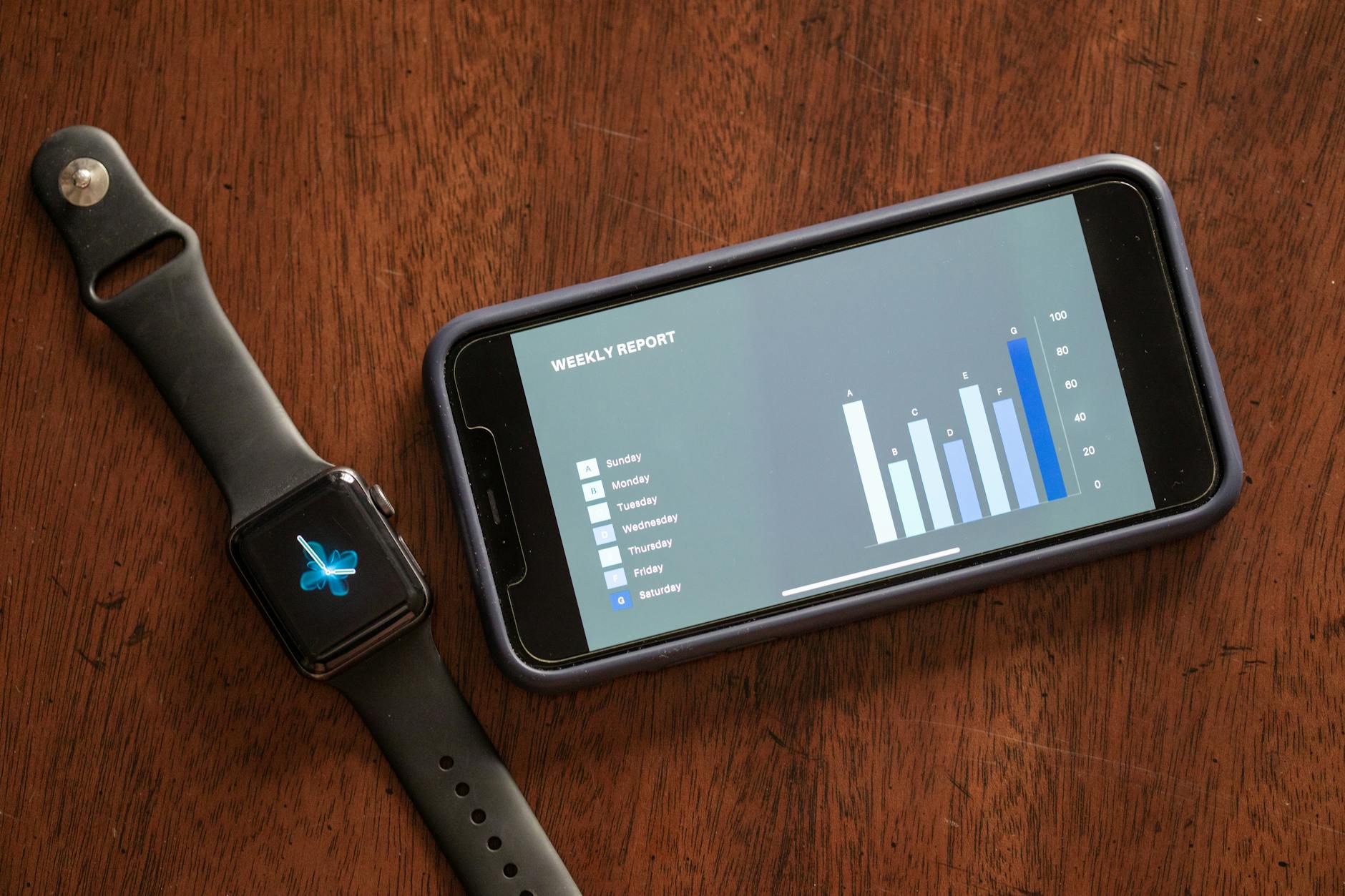
Data without action is noise. Data with action is leverage. The wearable technology revolution has given executives the ability to continuously audit the physiological consequences of their decisions — and this changes everything. Continuous glucose monitoring (CGM), heart rate variability (HRV) tracking, blood oxygen saturation, skin temperature variability, and sleep stage analysis are now accessible through devices small enough to wear on a finger or wrist.
In my executive protocols, the Oura Ring, WHOOP 4.0, Apple Watch Series 9, and Abbott Libre CGM are the core monitoring stack. Together, they provide a real-time biological dashboard that allows both clinician and client to observe the impact of diet, alcohol, travel, stress, and intervention protocols with a granularity that was previously reserved for research institutions.
HRV — heart rate variability — deserves special attention as the single most actionable daily metric available to an executive biohacker. HRV measures the variation in time between heartbeats and reflects the balance between sympathetic and parasympathetic nervous system activity. Consistently low HRV signals physiological stress, poor recovery, or impending illness — days before subjective symptoms appear. Executives who learn to read and respond to their HRV data make fundamentally better training, travel, and recovery decisions.
Nutrition as Precision Pharmacology
The executive relationship with food is often characterized by extremes: excessive restaurant meals and alcohol during deal flow, followed by punishing restriction during health guilt cycles. Neither approach serves longevity. The biohacking nutrition framework I apply treats food as molecular information — each meal is either an anabolic, anti-inflammatory signal or a catabolic, pro-inflammatory one.
Protein optimization is the foundation. Executives require 1.6–2.2 grams of protein per kilogram of body weight daily to preserve muscle mass, support immune function, and provide the amino acid substrates for neurotransmitter synthesis. Most high-achieving professionals are significantly under-consuming protein while overconsuming refined carbohydrates and alcohol — a combination that accelerates sarcopenia and metabolic dysfunction with age.
Time-restricted eating (TRE) — compressing daily food intake into an 8–10 hour window — activates autophagy (cellular self-cleaning), improves insulin sensitivity, and reduces chronic low-grade inflammation. It requires zero willpower once habituated and integrates seamlessly into even the most demanding executive schedule. I recommend beginning with a 12-hour fasting window and progressing based on CGM data and individual tolerance.
Movement: The Minimum Effective Dose for Maximum Executive ROI
I am not going to prescribe two-hour daily gym sessions to an executive managing a global enterprise. What I am going to do is define the minimum effective dose of movement that delivers maximum longevity and performance return — because doing less than this minimum costs far more than the time investment.
Zone 2 cardio — sustained aerobic activity at 60–70% of maximum heart rate for 150–180 minutes per week — is the single most important exercise modality for executive longevity. Zone 2 training develops mitochondrial density, improves metabolic flexibility, reduces cardiovascular disease risk, and enhances fat oxidation capacity. It can be achieved through brisk walking, cycling, or swimming and does not require a gym or a performance coach.
Resistance training two to three times weekly preserves muscle mass, protects bone density, improves insulin sensitivity, and — critically — is the strongest independent predictor of longevity in the aging literature. Strength, not cardiovascular fitness alone, predicts survival in long-term follow-up studies. Compound movements (squats, deadlifts, presses, rows) performed with progressive overload provide the stimulus; recovery protocols ensure adaptation occurs.
High-intensity interval training (HIIT) or VO₂ max training deserves one session per week in the executive stack. VO₂ max is now recognized by longevity researchers — including Peter Attia, whose work is grounded in the same evidence base I reference — as the strongest predictor of all-cause mortality, outperforming smoking, hypertension, and diabetes in some analyses. Improving your VO₂ max by even one “fitness category” meaningfully extends healthspan.
Stress Pharmacology: Managing Cortisol Like a CEO
Cortisol is both performance fuel and cellular poison — context is everything. Acute cortisol spikes sharpen focus and mobilize energy. Chronic cortisol elevation degrades the hippocampus, impairs prefrontal function, promotes visceral fat accumulation, disrupts sleep architecture, and suppresses immune function. Managing cortisol is not stress avoidance — it is cortisol periodization.
The executive biohacking approach to stress includes structured recovery periods (not passive downtime — intentional parasympathetic activation through breathwork, meditation, or nature exposure), HRV-guided training load, adaptogenic supplementation, and in some cases, phosphatidylserine supplementation, which has demonstrated the ability to blunt exercise-induced cortisol elevation in research studies.
Coherent breathing — a 5.5-second inhale followed by a 5.5-second exhale — activates the vagus nerve with extraordinary reliability and can shift HRV measurably within minutes. This is not wellness theater; it is neurophysiology, and it is accessible during any meeting break, flight, or pre-presentation window.
Frequently Asked Questions
What is full body biohacking for executives and how is it different from general wellness?
Full body biohacking for executives is a precision, data-driven approach to optimizing every physiological system simultaneously — molecular, hormonal, neurological, and recovery architecture — with the specific demands and constraints of high-performance leadership in mind. General wellness programs address surface-level lifestyle factors: sleep hygiene, stress management, basic nutrition. Executive biohacking goes several layers deeper, using advanced biomarker testing, genetic analysis, continuous monitoring technology, and clinical interventions including NAD+ therapy, peptides, and bioidentical hormone optimization.
The critical difference is individualization. General wellness offers population averages. Executive biohacking treats you as a biological individual — your polymorphisms, your microbiome, your hormonal profile, your specific cognitive and physical demands. The protocols are calibrated to your data, not a population guideline, and they evolve as your biomarkers respond. This is the difference between a mass-market supplement and a compound pharmacy formulation designed for your exact chemistry.
How soon can an executive expect to see results from a biohacking protocol?
The timeline varies by intervention layer, but executives consistently report subjective improvements in energy, cognitive clarity, and sleep quality within the first two to four weeks of beginning a comprehensive protocol. NAD+ infusion therapy often produces the most immediate and dramatic cognitive effects, with many clients reporting improved mental clarity within 24–48 hours of their first session. Hormonal optimization typically begins showing measurable effects in the 4–8 week window, as the body recalibrates to optimized hormone levels and the downstream cascade of benefits manifests.
Structural and longevity-oriented changes — improvements in VO₂ max, body composition, HRV baseline, and key biomarkers like hs-CRP and HbA1c — operate on a 3–6 month horizon. The compounding nature of these protocols means the benefits accelerate over time rather than plateauing, which is fundamentally different from most conventional medical interventions. I set expectations with every new executive client: two weeks for quality of life, three months for measurable biological change, one year for significant longevity trajectory shift.
Are the molecular interventions — NAD+, peptides, hormones — safe for executives without underlying disease?
Safety in longevity medicine is inseparable from individualization and monitoring. NAD+ infusion therapy has a well-established safety profile and is considered low-risk when administered by trained clinical personnel, with side effects typically limited to mild transient symptoms (flushing, nausea) during infusion that resolve completely upon rate adjustment. Peptide therapy safety depends entirely on the specific peptides used, dosing protocols, and the clinical oversight governing their administration — in a properly managed executive health practice, the risk profile of growth hormone secretagogues and tissue-repair peptides is extremely favorable.
Bioidentical hormone therapy requires the most rigorous monitoring of any intervention in the executive biohacking stack, including regular blood panels, symptom assessment, and imaging where clinically indicated. The key word throughout is monitoring — these are not set-it-and-forget-it interventions. They are dynamic, responsive protocols that require an experienced clinician and consistent laboratory oversight. For executives without underlying disease who are working with qualified practitioners and maintaining regular monitoring, the benefit-to-risk ratio of these interventions is strongly favorable when compared to the well-documented risks of the physiological declines they are designed to prevent.
What wearable devices deliver the most actionable data for executive biohacking?
For executives beginning a wearable monitoring stack, I recommend prioritizing heart rate variability and sleep staging over any other single metric. The Oura Ring Generation 3 remains the gold standard for sleep stage analysis and nightly HRV measurement — it is discreet, accurate, and integrates directly with the health dashboards I use in clinical practice. WHOOP 4.0 adds a recovery readiness score and strain tracking that is particularly useful for executives who train and need real-time guidance on whether to push or recover on any given day.
Continuous glucose monitoring — specifically the Abbott FreeStyle Libre 3 or Dexterity Stelo for non-diabetic users — is the wearable with the highest surprise factor for most executives. Seeing in real time how a particular meal, alcohol serving, or stressful meeting spikes glucose produces an immediate and lasting behavioral shift in nearly every client I work with. The combination of CGM data with HRV and sleep tracking creates a complete physiological dashboard that elevates every decision about food, sleep, training, and stress management from opinion to evidence.
Can full body biohacking protocols work around an executive’s demanding travel schedule?
Executive biohacking was designed precisely for this reality — the travel schedule is a feature of the client profile, not an obstacle to the protocol. The interventions that form the backbone of the program (NAD+ infusions, peptide therapy, hormonal optimization) are scheduled during home-based periods and are durable enough to sustain their effects through travel windows. Wearable monitoring works globally by definition. Nutritional frameworks, breathwork practices, and sleep optimization protocols are fully portable and can be executed in any hotel room on any continent.
We build travel-specific subprotocols for executive clients who cross multiple time zones regularly — these include circadian anchor timing for light exposure and meals, melatonin microdosing protocols calibrated to arrival time zone, hydration strategies that account for pressurized cabin dehydration, and compression therapy for deep vein thrombosis prevention on long-haul flights. The biohacking stack does not pause when you board a plane; it adapts to the physiological demands of travel and maintains continuity of optimization throughout.
What bloodwork and diagnostics should an executive request before starting a biohacking program?
A comprehensive executive baseline panel goes far beyond what a standard annual physical includes. At minimum, I order: a complete metabolic panel with fasting insulin and HbA1c for metabolic health; a full lipid panel including ApoB, Lp(a), and particle size fractionation for cardiovascular risk stratification; a complete thyroid panel (TSH, Free T3, Free T4, Reverse T3, TPO antibodies); sex hormone panel (total and free testosterone, estradiol, SHBG, progesterone, DHEA-S, LH, FSH); inflammatory markers (hs-CRP, homocysteine, IL-6); NAD+ levels; complete blood count; ferritin and full iron panel; and a 25-OH vitamin D level.
Beyond bloodwork, I strongly recommend a DEXA scan for precise body composition and bone density assessment, a VO₂ max test for cardiovascular fitness benchmarking, a coronary calcium score (CAC) for subclinical atherosclerosis detection, and continuous glucose monitoring for 2–4 weeks to establish metabolic baseline before dietary interventions begin. Genetic testing through a reputable platform provides information on MTHFR polymorphisms, APOE status, and nutrigenomic factors that meaningfully shape supplement and dietary protocol design. This diagnostic investment takes less than two weeks to complete and provides a data foundation that makes every subsequent intervention exponentially more precise and effective.
Measuring Success: The Biomarkers That Matter
Subjective performance improvements are real and valuable. But what distinguishes executive biohacking from lifestyle wellness is the insistence on objective measurement. We track biological age using established epigenetic clocks (GrimAge, DunedinPACE), functional fitness markers (VO₂ max, grip strength, gait speed), cardiovascular risk biomarkers (ApoB, Lp(a), hs-CRP), and metabolic health indicators (fasting insulin, HbA1c, CGM time-in-range) at regular intervals.
The goal is not to optimize a single biomarker in isolation but to shift the entire biological age trajectory. An executive who begins a comprehensive biohacking program at chronological age 52 should expect, within 12–18 months of consistent protocol adherence, to demonstrate biomarkers consistent with a biological age five to ten years younger. This is not marketing copy — it is the clinical outcome data emerging from longitudinal studies in precision longevity medicine.
Progress reviews in my practice occur every 90 days with full biomarker re-testing and protocol recalibration. The body changes; the protocol must change with it. Static programs deliver static results. Dynamic, data-responsive programs deliver compounding longevity returns.
Scientific References & Sources
Scientific References & Sources
