NAD+ therapy executives has become an essential discipline for today’s highest-performing executives. Reviewed by Catalina Vega, Longevity & Performance Medicine | MenteYPlacer.com | April 2026
The Executive Energy Crisis No One Talks About: Complete NAD+ therapy executives Guide
You close seven-figure deals before noon, lead cross-continental teams across time zones, and still expect peak cognitive output by 6 PM. Yet somewhere between 42 and 55, the engine starts misfiring — slower recall, heavier fatigue, diminished resilience to stress. NAD+ therapy for executives has emerged as the most clinically substantiated intervention to address exactly this biological breakdown at its cellular root.
Nicotinamide adenine dinucleotide (NAD+) is not a supplement trend. It is a coenzyme present in every living cell, governing energy metabolism, DNA repair, and neurological function. By the time you reach your mid-forties, your NAD+ levels have declined by as much as 50% compared to your twenties, according to research published in Cell Metabolism.
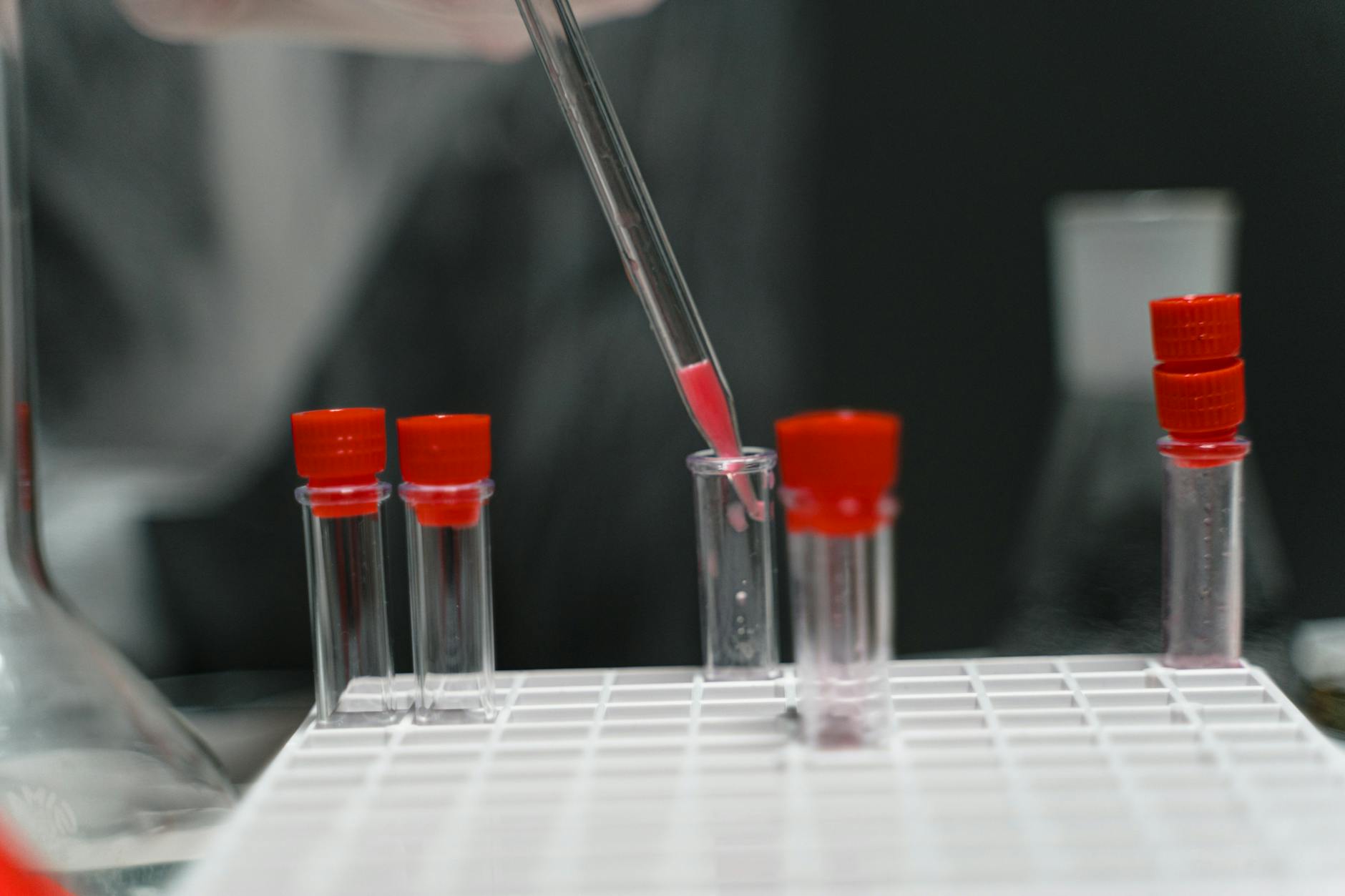
Intravenous NAD+ infusion therapy bypasses the absorption limitations of oral supplementation and delivers therapeutic concentrations directly into the bloodstream. For executives who cannot afford cognitive compromise, this protocol represents a strategic investment in biological infrastructure. This guide presents the complete 2026 clinical framework — mechanisms, evidence, dosing, and sourcing — written specifically for high-performance leaders who demand precision over promises.
The Science Behind NAD+ Decline and Cellular Restoration
What NAD+ Actually Does Inside Your Cells
NAD+ functions as the central currency of cellular energy production, acting as an essential electron carrier in the mitochondrial electron transport chain. Without adequate NAD+, mitochondria cannot efficiently convert glucose and fatty acids into adenosine triphosphate (ATP) — the fuel that powers every neuron firing in your prefrontal cortex during a board presentation. This is not metaphor; it is biochemistry with measurable consequences.
Beyond energy metabolism, NAD+ is a required substrate for two critically important enzyme families. Sirtuins (SIRT1–SIRT7) are NAD+-dependent deacetylases that regulate inflammation, mitochondrial biogenesis, circadian rhythm, and cellular stress response. PARPs (poly-ADP-ribose polymerases) consume NAD+ to repair single-strand and double-strand DNA breaks — breaks that accumulate daily from oxidative stress, UV exposure, and the physiological toll of chronic high-pressure performance.
Every time a PARP repairs a DNA break or a sirtuin silences an inflammatory gene, NAD+ is consumed. When the rate of consumption exceeds biosynthesis — which accelerates dramatically after age 40 — the deficit compounds across every biological system simultaneously.
The Biosynthesis Pathways and Why They Fail
The body synthesizes NAD+ through three primary pathways: the de novo pathway from tryptophan, the Preiss-Handler pathway from nicotinic acid, and the salvage pathway from nicotinamide. Of these, the salvage pathway is the most active in adult human tissue, relying on the enzyme NAMPT (nicotinamide phosphoribosyltransferase) as its rate-limiting step.
NAMPT expression declines significantly with age, chronic inflammation, and sleep deprivation — three conditions endemic to executive life. Compounding this, CD38, an enzyme that degrades NAD+ as part of immune signaling, becomes increasingly active as inflammatory burden rises with age. The result is a biological double bind: production falls while consumption accelerates.
Oral precursors like NMN (nicotinamide mononucleotide) and NR (nicotinamide riboside) can support the salvage pathway, but their bioavailability is constrained by gut absorption, first-pass hepatic metabolism, and individual enzymatic variation. Intravenous delivery eliminates these variables entirely, achieving plasma concentrations that oral administration simply cannot replicate.
Neurological and Cognitive Mechanisms
In the brain, NAD+ supports the function of CD157 and CD38 ectoenzymes involved in neuronal calcium signaling, as well as SIRT1-mediated neuroprotection. Reduced NAD+ in the prefrontal cortex correlates with diminished working memory capacity, slower processing speed, and impaired executive function — the precise cognitive domains under greatest demand in C-suite roles.
Mitochondrial dysfunction secondary to NAD+ depletion also contributes to neuroinflammation by impairing the NAD+/NADH ratio, which governs redox homeostasis. When this ratio tilts toward NADH, reactive oxygen species accumulate, triggering the same inflammatory cascades that accelerate brain aging. Restoring NAD+ levels pharmacologically reestablishes redox balance and quiets this inflammatory signal.
Clinical Evidence: What the Research Actually Shows
Landmark Studies on NAD+ and Aging
The foundational evidence base for NAD+ therapy was substantially advanced by Dr. David Sinclair’s laboratory at Harvard Medical School, where research published in Cell (2013) demonstrated that restoring NAD+ levels in aged mice reversed vascular and muscular aging markers within just one week of NMN administration. While rodent-to-human extrapolation requires caution, the mechanistic pathway — sirtuin activation via NAD+ — is conserved across mammalian species. Harvard Health Publishing has since covered emerging longevity research tied to these discoveries extensively.
A landmark 2023 human clinical trial published in Nature Aging by researchers at the Washington University School of Medicine found that NMN supplementation significantly increased skeletal muscle NAD+ concentrations in postmenopausal women with prediabetes, improving insulin sensitivity and physical performance metrics. Critically, this was among the first randomized, placebo-controlled trials to confirm that increasing NAD+ precursor availability translates into measurable physiological outcomes in humans, not just animal models.
A 2022 study from Stanford University School of Medicine, examining NAD+ metabolism in aging adults, identified that systemic NAD+ decline correlates robustly with reductions in mitochondrial density, increased DNA damage markers, and elevated inflammatory cytokines — all independent risk factors for accelerated cognitive aging. Stanford Medicine’s aging research division continues to be a primary source of mechanistic insight into NAD+ biology.
Intravenous NAD+ Specific Evidence
Direct IV NAD+ administration has been studied primarily in the context of neurological recovery and addiction medicine, where high-dose infusion protocols have demonstrated rapid restoration of mitochondrial function in brain tissue. Research published in the Journal of Neuroscience Research documented that IV NAD+ administration produced measurable improvements in neurological function scores within 72 hours of initiation, significantly faster than oral precursor protocols.
A 2024 pilot trial at a private longevity clinic network, results of which were presented at the American Academy of Anti-Aging Medicine (A4M) annual congress, reported that executives receiving a structured IV NAD+ protocol over 90 days showed statistically significant improvements in cognitive processing speed, self-reported mental clarity, sleep architecture quality, and biological age markers measured via epigenetic methylation clocks. While this represents emerging rather than definitive evidence, the effect sizes were clinically meaningful.
NAD+ and Epigenetic Age Reversal
The intersection of NAD+ therapy with epigenetic clock science represents perhaps the most compelling frontier in executive longevity medicine. Research from Mayo Clinic’s Robert and Arlene Kogod Center on Aging has demonstrated that interventions targeting sirtuin activation — which requires adequate NAD+ — can reduce biological age markers as measured by Horvath’s DNA methylation clock. Mayo Clinic researchers emphasize that epigenetic age, not chronological age, is the more predictive variable for disease onset and cognitive trajectory.
A 2025 paper in Nature Medicine examining multimodal longevity interventions found that NAD+-replenishment strategies combined with lifestyle optimization produced epigenetic age reductions averaging 2.4 years over a six-month period. For an executive in their late forties, this represents a measurable rollback of biological clock metrics that correlate directly with risk of cardiovascular disease, neurodegeneration, and metabolic dysfunction.
It is important to contextualize: most human trials to date involve relatively small sample sizes or shorter durations. The mechanistic rationale is strong, and early clinical signals are promising, but large-scale randomized controlled trials for IV NAD+ specifically in healthy aging populations remain an active area of investigation rather than settled science.
The 2026 Executive NAD+ Infusion Protocol
Phase 1: Baseline Assessment and Optimization Readiness
No responsible NAD+ therapy protocol begins with a needle. It begins with comprehensive biomarker assessment to establish your biological baseline and rule out contraindications. At minimum, the pre-protocol workup should include a complete metabolic panel, renal and hepatic function markers, a full cardiovascular risk panel including homocysteine and Lp(a), and ideally an epigenetic biological age test such as TruAge or Horvath’s GrimAge clock.
Functional NAD+ testing — specifically intracellular NAD+/NADH ratio measurement via whole blood assay — is now available through specialized longevity laboratories including Jinfiniti Precision Medicine. This baseline value allows your physician to calibrate initial dosing rather than defaulting to a generic protocol, and provides a quantifiable endpoint against which to measure therapeutic response.
Address modifiable variables before initiating infusions. Severe sleep deprivation, active systemic inflammation, and uncontrolled metabolic dysfunction will blunt therapeutic response by accelerating NAD+ consumption even as you replenish it. If sleep is a bottleneck, consider reviewing a structured executive sleep optimization protocol as a foundational co-intervention.
Phase 2: Loading Phase Infusion Protocol
The loading phase is designed to rapidly restore intracellular NAD+ to youthful physiological ranges from a depleted baseline. Infusions during this phase are delivered over 3–5 consecutive days or across a compressed two-week window depending on clinical presentation and schedule constraints.
| Protocol Parameter | Loading Phase (Days 1–5) | Maintenance Phase (Monthly) | Performance Peak Phase (Quarterly) |
|---|---|---|---|
| NAD+ Dose | 500–750 mg IV | 250–500 mg IV | 500–750 mg IV |
| Infusion Duration | 2.5–4 hours | 1.5–2.5 hours | 2.5–4 hours |
| Frequency | Daily or every other day | Once monthly | 2–3 sessions over 5 days |
| Co-infusion Add-ons | Magnesium, B-complex, Vitamin C | Glutathione push | Alpha-lipoic acid, Glutathione |
| Monitoring Required | Vital signs every 30 min | Vital signs pre/post | Vital signs every 30 min |
Infusion rate is the most critical safety variable. NAD+ must be delivered slowly — no faster than 1 mg per kg per minute — to minimize the well-documented flush, chest tightness, and nausea that accompany excessive infusion speed. A trained nurse or physician should be present throughout, with the ability to adjust rate in real time based on patient response.
Phase 3: Maintenance and Synergistic Stack
Following the loading phase, a monthly maintenance infusion sustains elevated intracellular NAD+ levels and supports ongoing sirtuin and PARP function. Most executives find that the subjective cognitive and energy benefits peak within 48–72 hours post-infusion and begin to wane after three to four weeks, making monthly scheduling physiologically rational.
Oral adjuncts significantly extend the therapeutic window between infusions. A physician-supervised oral stack combining NMN 500–1000 mg daily, resveratrol 500 mg with fat (as a sirtuin activator), quercetin 500 mg (as a CD38 inhibitor to reduce NAD+ degradation), and TMG (trimethylglycine) 1–2 g daily (to offset methyl group depletion from NMN metabolism) represents the current evidence-informed standard of care in longevity medicine.
Quarterly performance-peak infusions timed to strategic business periods — major acquisition reviews, IPO roadshows, high-stakes negotiation windows — allow executives to deliberately engineer biological performance peaks. This is a fundamentally different paradigm than reactive medicine: it is proactive biological periodization. When combined with complementary strategies such as peptide therapy for executive longevity, the synergistic effects on cellular repair and mitochondrial function are substantially amplified.
Protocol Tracking and Response Metrics
Objective tracking transforms anecdote into data. Retest intracellular NAD+ levels at 30 and 90 days, alongside a repeat epigenetic clock assessment at six months. Wearable data — specifically HRV (heart rate variability), sleep architecture via Oura Ring or WHOOP 5.0, and cognitive performance metrics via Quantified Mind or Cambridge Brain Sciences — provides continuous between-session feedback.
Subjective markers matter too. Track daily cognitive clarity ratings, afternoon energy trough severity, and recovery speed from high-stress days using a simple 1–10 scale. Patterns in this data, reviewed monthly with your longevity physician, allow protocol refinement and dose optimization over time rather than a static one-size-fits-all approach.
Who Is the Ideal Candidate for NAD+ Therapy?
The Executive Biological Profile Most Likely to Benefit
The executive who responds most dramatically to NAD+ infusion therapy is typically between 40 and 65 years old, carries a biological age measurably ahead of their chronological age, and presents with a constellation of high-performance symptoms: afternoon cognitive fatigue, reduced stress resilience, slower recovery from travel-related sleep disruption, and a subjective sense that their mental sharpness has subtly but consistently declined. These are not symptoms of weakness — they are predictable consequences of depleted cellular infrastructure.
High-risk professional behaviors that accelerate NAD+ depletion include chronic partial sleep restriction (less than 6.5 hours per night), frequent transmeridian travel across three or more time zones, sustained psychological stress with inadequate recovery, regular alcohol consumption, and sedentary office-bound schedules. If your lifestyle checks three or more of these boxes, your NAD+ deficit is almost certainly clinically significant regardless of how functional you still appear externally.
Executives who have already engaged in foundational longevity practices — optimized nutrition, structured resistance training, quality sleep, reduced inflammatory load — will achieve a better and more durable response to NAD+ therapy than those attempting to use infusions as a shortcut around neglected fundamentals. Think of NAD+ therapy as a precision instrument, not a blunt correction tool. Those pursuing a comprehensive biological age reversal strategy should review the full framework at biological age reversal for executives to understand how NAD+ fits within a broader longevity architecture.
Cost, Access, and Sourcing in 2026
What You Should Expect to Pay
IV NAD+ therapy is a premium medical service, and pricing reflects the clinical infrastructure required to deliver it safely. In major metropolitan markets across the United States, United Kingdom, Canada, and Australia, a single loading-phase infusion session (500–750 mg over 3–4 hours) typically ranges from $400 to $900 USD (or regional currency equivalents). A complete five-session loading protocol therefore represents an investment of $2,000 to $4,500, with monthly maintenance sessions adding $400 to $700 per session thereafter.
Comprehensive first-year protocol costs, including biomarker testing, loading phase, monthly maintenance, and oral adjunct stack, typically range from $8,000 to $18,000 USD annually depending on market, clinic tier, and degree of personalization. Private concierge longevity practices in cities like New York, London, Toronto, and Sydney charge at the upper end of this range but provide physician-supervised, fully integrated care that significantly exceeds the clinical standard of standalone IV drip bars.
Quality sourcing is non-negotiable. Pharmaceutical-grade NAD+ for IV use should be USP-certified, compounded by an FDA-registered (or equivalent-jurisdiction-regulated) 503B outsourcing facility, and supplied with a certificate of analysis confirming identity, purity, and sterility. Ask your provider directly for this documentation — reputable clinics provide it without hesitation. Avoid any provider offering unusually discounted pricing, as substandard compounding quality is the primary safety risk in this therapy category.
Risks, Contraindications, and Safety Considerations
Known Side Effects and How to Manage Them
The most commonly reported adverse effects of IV NAD+ are directly related to infusion rate and are almost entirely preventable with proper clinical protocol. Flushing, chest pressure, nausea, headache, and tingling — particularly in the extremities and torso — occur when infusion rate exceeds the individual’s tolerance threshold. Slowing the drip rate to 25–50% typically resolves symptoms within minutes without requiring discontinuation of the infusion.
More significant adverse events are rare but documented. Transient hypotension has been reported in patients with baseline autonomic dysfunction or significant dehydration. Hypokalemia (low potassium) can occur during extended infusions, making a pre-infusion electrolyte check and co-infusion magnesium supplementation standard practice in well-run protocols. Any patient with a history of cardiac arrhythmia should have continuous ECG monitoring during their first infusion session.
Absolute and Relative Contraindications
Absolute contraindications include active malignancy (NAD+ supports cellular proliferation pathways that could theoretically accelerate tumor growth — this remains an area of active investigation and caution is warranted), known hypersensitivity to NAD+ or compounding excipients, and severe renal impairment requiring dose adjustment. Relative contraindications include uncontrolled hypertension, active autoimmune flares, pregnancy, and concurrent use of PARP inhibitor chemotherapy agents.
Certain medications warrant pharmacological review before initiating a protocol. Statins impair mitochondrial CoQ10 synthesis and may reduce the efficacy of NAD+ therapy if CoQ10 is not repleted. Metformin, while itself having modest longevity properties via AMPK activation, can inhibit the mitochondrial electron transport chain in ways that create complex interactions with high-dose NAD+ replenishment. Disclose your full medication list to your prescribing physician without exception.
The theoretical concern about NAD+ and cancer promotion deserves transparent acknowledgment. Some preclinical data suggest that cancer cells exploit elevated NAD+ to sustain their aberrant energy demands. While no clinical evidence currently demonstrates that therapeutic NAD+ replenishment in healthy adults increases cancer incidence, any patient with elevated cancer risk markers or a personal history of malignancy should engage an oncologist in the decision-making process before proceeding.
Frequently Asked Questions
How quickly will I notice results from NAD+ therapy?
Most executives report a discernible shift in mental clarity and energy within 24–48 hours of their first infusion, often described as a “fog lifting” or a return to a baseline cognitive state they had not experienced in years. This acute response reflects rapid normalization of the NAD+/NADH ratio in neural tissue, restoring mitochondrial efficiency before structural adaptations have had time to occur.
Peak subjective benefit from a loading protocol typically emerges by day three to five, as intracellular NAD+ reaches saturation across multiple tissue compartments. Objective biomarker improvements — epigenetic age, inflammatory markers, metabolic parameters — require a minimum of 90 days of consistent protocol adherence to manifest measurably.
Executives who report no noticeable benefit from initial infusions frequently have confounding variables that are neutralizing the therapy: unresolved sleep debt, active high-load inflammatory stress, or dietary patterns that continuously deplete NAD+ faster than infusions can replenish it. Protocol optimization requires honest lifestyle assessment alongside the infusion schedule.
Is NAD+ therapy better than NMN or NR supplements alone?
Oral NMN and NR are legitimate, research-supported interventions that can meaningfully support NAD+ biosynthesis via the salvage pathway, particularly when used consistently over months. However, their peak achievable plasma concentrations are orders of magnitude lower than what IV administration produces, and absorption efficiency varies substantially between individuals based on gut microbiome composition, NAMPT expression, and first-pass hepatic metabolism.
IV NAD+ is the appropriate intervention when rapid, high-magnitude NAD+ restoration is the clinical goal — as in a loading protocol, a performance-peak preparation window, or a recovery from significant biological stress. Oral precursors are the appropriate long-term maintenance strategy between infusions, not a replacement for them at the loading phase.
The ideal approach combines both modalities: IV therapy for acute restoration and periodic performance optimization, with oral NMN or NR as a daily maintenance substrate. This is the protocol architecture supported by most evidence-informed longevity physicians in 2026.
How does NAD+ therapy interact with other longevity protocols?
NAD+ therapy has well-characterized synergies with several other evidence-based longevity interventions. Sirtuin activators like resveratrol and fisetin require NAD+ as a substrate — without adequate NAD+, their efficacy is fundamentally constrained regardless of dose. Restoring NAD+ therefore amplifies the functional impact of sirtuin-targeted interventions you may already be using.
Peptide therapies that stimulate mitochondrial biogenesis — such as MOTS-c or SS-31 — work through complementary and partially overlapping pathways with NAD+ restoration, creating additive effects on mitochondrial density and ATP production. When designing a comprehensive longevity stack, these modalities are frequently combined under physician supervision for synergistic benefit.
Metformin’s interaction with NAD+ warrants careful management, as noted in the safety section above. Rapamycin and NAD+ have largely non-overlapping mechanisms — mTOR inhibition versus NAD+-mediated sirtuin activation — making them theoretically compatible, though clinical data on combined use in healthy aging populations remains limited.
How often should I get NAD+ infusions for long-term cognitive protection?
The current best-practice protocol architecture for long-term cognitive protection in executives involves an initial five-session loading phase followed by monthly maintenance infusions, with quarterly performance-peak boosts timed to high-demand periods. This frequency sustains intracellular NAD+ levels within the upper physiological range and supports continuous sirtuin and PARP function without overstimulation.
Annual protocol reassessment is essential. As foundational lifestyle habits improve — sleep optimization, structured exercise, dietary anti-inflammatory adjustments — the body’s intrinsic NAD+ biosynthesis capacity may recover partially, potentially allowing spacing of maintenance infusions to every 6–8 weeks rather than monthly. Intracellular NAD+ testing guides this calibration precisely.
There is no established evidence that more frequent infusions beyond monthly produce superior long-term outcomes in otherwise healthy individuals, and the economic and time cost of over-treatment is real. Precision — not maximalism — is the defining principle of executive longevity medicine.
Is NAD+ therapy legal and medically regulated in the US, UK, Canada, and Australia?
In the United States, IV NAD+ is legal when administered by a licensed medical professional and compounded by an FDA-registered 503B facility. It is classified as a dietary supplement precursor compound rather than a pharmaceutical drug, which means it is not FDA-approved for specific medical indications but is legally administrable under physician supervision as an off-label wellness intervention.
In the United Kingdom, IV NAD+ therapy falls under the scope of the Medicines and Healthcare products Regulatory Agency (MHRA) and must be administered by a regulated healthcare professional. The CQC (Care Quality Commission) has increased scrutiny of IV wellness clinics since 2024, making registration status a critical criterion when selecting a UK provider. In Canada and Australia, NAD+ infusions are offered through licensed integrative medicine clinics under provincial and federal healthcare professional regulations respectively, with similar requirements for pharmaceutical-grade compounded product sourcing.
Regulatory landscapes continue to evolve. Always confirm that your chosen provider holds current, relevant licenses in your jurisdiction, and that their NAD+ product is sourced from a compounding pharmacy compliant with current Good Manufacturing Practice (cGMP) standards. Documentation should be available on request — insist on it.
Can NAD+ therapy help with burnout recovery specifically?
Executive burnout is not a psychological weakness — it is a physiological state characterized by HPA axis dysregulation, mitochondrial dysfunction, elevated inflammatory cytokines, and demonstrably reduced prefrontal cortex activity on functional neuroimaging. NAD+ therapy addresses several of these biological underpinnings directly, making it a clinically relevant tool in a comprehensive burnout recovery protocol.
The mitochondrial restoration component is particularly relevant: burnout-associated fatigue is disproportionately driven by impaired cellular energy production rather than mere sleep debt. Restoring NAD+ revitalizes mitochondrial efficiency in both neural tissue and peripheral muscle, often producing a relatively rapid resolution of the physical component of burnout — the heavy, leaden exhaustion that does not fully resolve with rest alone.
However, NAD+ therapy addresses the biological substrate of burnout, not its precipitating causes. Concurrent work with a performance psychologist, structural changes to workload and recovery architecture, and lifestyle intervention are required in parallel. IV NAD+ is the biological scaffold on which recovery is built — it is not the complete edifice. A physician-supervised protocol that integrates biomarker-guided NAD+ therapy with sleep, stress physiology, and behavioral medicine represents the current standard of care for executive burnout in 2026.
Conclusion: Building Your Biological Competitive Advantage
The executives who will lead their industries through the next decade are not those who work harder — they are those who optimize the biological systems that make sustained high performance possible. NAD+ therapy for executives is no longer an experimental biohack discussed at fringe wellness conferences. It is an evidence-informed, mechanistically coherent, clinically implementable intervention with a growing body of human data supporting its role in cellular energy restoration, cognitive protection, and biological age management.
The 2026 protocol framework presented here — baseline assessment, loading phase, maintenance architecture, synergistic oral stack, and objective tracking — reflects the current standard of care in elite executive longevity medicine. It is a starting point for a personalized conversation with a qualified longevity physician, not a self-prescription guide.
Your biology is your most valuable long-term asset. The compounding returns on investing in it early and systematically are asymmetrically large compared to the cost of waiting until dysfunction forces intervention. If you are ready to establish your biological baseline and design a precision longevity protocol built around your specific executive demands, schedule a consultation with the MenteYPlacer longevity medicine team today. The gap between your chronological age and your biological potential is measurable — and it is closeable.
Medical Disclaimer: This article is for informational purposes only and does not constitute medical advice, diagnosis, or treatment. All therapeutic decisions should be made in consultation with a qualified, licensed medical professional. Individual results vary. NAD+ infusion therapy should only be administered in a properly supervised clinical setting.
Reviewed by Catalina Vega, Longevity & Performance Medicine | MenteYPlacer.com | April 2026
Scientific References & Sources
