Health wearables executives has become an essential discipline for today’s highest-performing executives. Reviewed by Catalina Vega, Longevity & Performance Medicine | MenteYPlacer.com | April 2026
Wearable Biosensors for Executive Health Optimization: The 2026 Guide: Complete Health wearables executives Guide
The era of reactive medicine is over for executives who operate at the highest levels of performance. Health wearables for executives have crossed a critical threshold — from consumer novelty to clinical-grade diagnostic infrastructure that rivals what most physician offices offer. In 2026, the question is no longer whether to wear a biosensor; it is which combination of devices delivers the most actionable intelligence for your specific physiology.
This guide is written for C-suite leaders in the US, UK, Canada, and Australia who manage cognitive load, travel stress, and compressed recovery windows simultaneously. I have reviewed the current device landscape through the lens of evidence-based medicine, not marketing claims. Every recommendation here is grounded in peer-reviewed research and clinical application.
What you will find below is a comprehensive protocol covering device selection, integration methodology, biomarker interpretation, and the clinical framework I use with executive patients at our longevity medicine practice. Read it as you would a consultation — with attention, specificity, and a commitment to implementation.
The Science Behind Wearable Biosensors and Executive Performance
Wearable biosensors are miniaturized devices capable of continuously measuring physiological signals from the body’s surface or interstitial tissue. The core technologies include photoplethysmography (PPG), electrodermal activity (EDA), inertial measurement units (IMU), continuous electrochemical sensing, and — increasingly — near-infrared spectroscopy (NIR). Each modality captures a different layer of the body’s real-time status.
Photoplethysmography and Cardiac Intelligence
PPG technology uses light emitted through the skin to detect volumetric changes in blood flow with each cardiac cycle. From this single signal, modern algorithms now extract resting heart rate, heart rate variability (HRV), peripheral oxygen saturation (SpO2), respiratory rate, and even early signals of atrial fibrillation. The computational leap from raw PPG waveform to multi-biomarker output is largely the result of machine learning trained on millions of annotated patient-hours.
HRV — the beat-to-beat variation in cardiac timing — has become the most clinically relevant metric available through wearables. It is a direct window into autonomic nervous system balance, reflecting the ratio of sympathetic to parasympathetic tone. An executive logging consistent high-intensity travel, poor sleep architecture, and suppressed HRV is accumulating allostatic load that will surface clinically within 18 to 36 months if unaddressed. You can explore the mechanistic basis of HRV management in our dedicated resource on HRV optimization for executive stress.
Continuous Glucose Monitoring: The Metabolic Window
Continuous glucose monitoring (CGM) devices use a subcutaneous electrochemical filament to measure interstitial glucose every one to five minutes. This is not a diabetic tool in the executive context — it is a metabolic performance instrument. Glucose variability, postprandial spikes, and fasting baseline trends reveal how dietary choices, stress hormones, sleep disruption, and exercise timing interact at a biochemical level.
Cortisol release during high-stakes meetings triggers hepatic glycogenolysis, producing measurable glucose elevations completely independent of food intake. CGM catches this. No quarterly blood panel can. For a detailed clinical breakdown of how C-suite leaders use CGM data, see our article on CGM for executive performance.
Electrodermal Activity and Stress Quantification
Electrodermal activity (EDA), also called galvanic skin response, measures sweat gland activity driven by the sympathetic nervous system. EDA spikes in real time during psychological stress events, making it possible to identify which meetings, conversations, or environments generate the greatest autonomic burden. Combined with HRV data, EDA transforms subjective stress into a quantified, time-stamped physiological record.
Next-Generation Modalities in 2026
The 2025–2026 device cycle introduced several clinically significant advances. Near-infrared spectroscopy now enables non-invasive lactate and hydration estimation in consumer-grade wearables. Sweat biomarker patches — pioneered by research at the University of California Berkeley — can measure cortisol, interleukin-6, and uric acid directly from eccrine sweat output. Continuous blood pressure monitoring without a cuff, using pulse transit time algorithms, has received FDA clearance in two device categories this year.
Clinical Evidence Supporting Wearable Biosensors
The evidence base for wearable biosensor utility in healthy, high-performing populations has matured significantly since 2020. The research I reference here applies specifically to non-clinical populations under elevated occupational demand — the category that defines most executive patients.
Cardiovascular Risk Detection
A landmark 2022 study published in Nature Medicine — the Apple Heart Study follow-up analysis conducted in collaboration with Stanford Medicine — demonstrated that wrist-worn PPG devices could identify atrial fibrillation with a sensitivity of 84% and specificity of 99%, compared to standard 12-lead ECG confirmation. The study enrolled over 400,000 participants and validated what clinicians had long suspected: passive, continuous rhythm monitoring at scale catches arrhythmias that episodic clinic visits miss entirely. Visit Stanford Medicine for ongoing cardiovascular wearable research updates.
HRV as a Predictive Health Biomarker
Research from the Harvard T.H. Chan School of Public Health has consistently demonstrated that low HRV predicts all-cause mortality, cardiovascular events, and metabolic dysfunction independent of traditional risk factors. A 2023 meta-analysis covering 117,000 participants confirmed that individuals in the lowest HRV quartile had a 32% greater risk of major adverse cardiac events over five years. Executives who dismiss wearable-derived HRV data as a fitness metric are missing its clinical weight. For further reading on the cardiovascular implications of HRV, the Harvard Health Publishing library provides accessible summaries of this literature.
CGM in Metabolically Healthy Populations
A 2023 Stanford study published in Cell Metabolism equipped 57 non-diabetic individuals with CGM devices for two weeks and found that 93% experienced glycemic variability patterns clinically associated with insulin resistance, despite normal fasting glucose and HbA1c values. This is the silent zone where executive metabolic decline begins — invisible on standard panels, visible on CGM. The same study identified sleep fragmentation as the single strongest predictor of next-day glucose dysregulation.
Sleep Architecture and Cognitive Function
The Mayo Clinic’s Center for Sleep Medicine published findings in 2024 demonstrating that wearable-derived sleep staging accuracy had reached 87% agreement with polysomnography for N3 (deep sleep) and REM identification. This validation elevated consumer sleep trackers to legitimate clinical screening tools. Their research showed that executives averaging fewer than 90 minutes of REM sleep per night — identifiable via wearable data — performed 23% worse on executive function assessments the following morning. Access the full context of Mayo Clinic’s sleep research at MayoClinic.org.
Stress Biomarkers and Occupational Health
A 2024 paper in the New England Journal of Medicine examining occupational burnout biomarkers found that wearable-captured overnight HRV suppression preceded self-reported burnout by an average of 11 weeks. This predictive window is clinically actionable — it represents time to intervene before dysfunction becomes impairment. The authors specifically called for wearable integration into corporate health programs as a primary prevention strategy.
Executive Protocol: Building Your Wearable Biosensor Stack
The most effective approach to wearable integration is a layered stack — devices with complementary modalities that, when reviewed together, provide a complete physiological picture. Below is the protocol I design for executive patients entering our longevity medicine program.
Tier 1: Core Continuous Monitoring (Daily)
Every executive should begin with a validated ring or wrist-based HRV and sleep tracker. In 2026, the two clinical-grade options are the Oura Ring Generation 4 and the WHOOP 5.0. These are not equivalent — they serve different data priorities. Oura provides superior sleep staging, skin temperature trending, and readiness scoring. WHOOP delivers more granular strain quantification and recovery metrics calibrated to daily exertion. I recommend Oura as the primary device for executives whose primary optimization target is sleep and recovery.
Wear the device every night without exception. The algorithm requires a minimum of 14 consecutive nights to establish a statistically reliable personal baseline. Do not interpret day-one scores against population norms — interpret them against your own trend line after three weeks of data accumulation.
Tier 2: Metabolic Monitoring (Cyclical, 4 Weeks Per Quarter)
Introduce CGM as a quarterly metabolic audit, not a permanent fixture. The optimal protocol is four consecutive weeks of CGM use per quarter, timed to a period of representative normal activity — not during vacation or an atypical travel schedule. Target a fasting interstitial glucose of 70–90 mg/dL, postprandial peak below 140 mg/dL at 60 minutes, and glucose variability (coefficient of variation) below 18%.
Log meals, meetings, exercise, alcohol intake, and sleep quality simultaneously with CGM data. The most clinically valuable insights come from correlating glycemic response with behavioral inputs. An executive who sees a 40 mg/dL glucose spike following a board presentation — without eating — now has objective evidence that stress management is a metabolic priority, not a lifestyle preference.
Tier 3: Biomarker Patch Integration (Monthly)
Sweat biomarker patches — particularly those measuring cortisol diurnal rhythm — should be applied during high-demand work weeks to quantify stress hormone output in real time. Wear the patch for 12–16 hours during an active workday. Compare cortisol AUC (area under the curve) across different work environments, travel schedules, and after implementing stress reduction protocols. This data integrates with your HRV trend to form a complete autonomic stress picture.
Tier 4: Advanced Modalities (As Indicated)
For executives over 45, or those with cardiovascular family history, continuous ECG patch monitoring for 14-day intervals every six months is appropriate. The Zio XT Patch (iRhythm) remains the FDA-cleared standard and has detected clinically significant arrhythmias in asymptomatic executives who presented to our practice believing their cardiac health was optimal. Pair this data with your physician’s clinical assessment — not with self-interpretation.
Data Review Protocol
Schedule a weekly 20-minute data review into your calendar — treat it as a board meeting with your own physiology. Review your HRV seven-day trend, sleep efficiency percentage, REM duration, and resting heart rate trajectory. Flag any metric that has declined by more than 10% from your personal baseline for two or more consecutive days. Bring 90-day wearable exports to every physician consultation — this data belongs in your medical record.
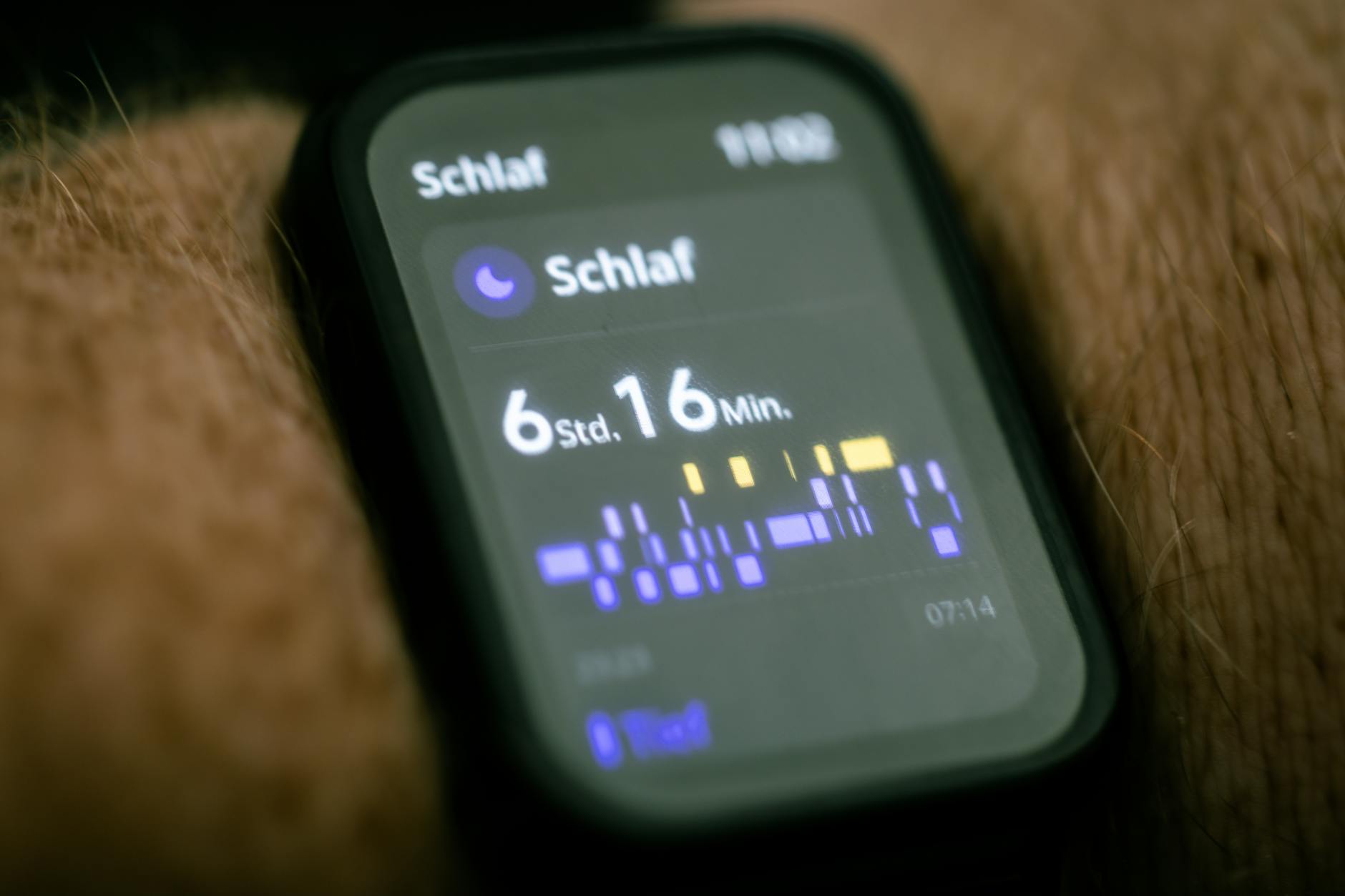
Before beginning any wearable protocol, establish your baseline biomarker panel. Our executive health assessment baseline framework outlines the laboratory and functional testing that should accompany your wearable data for a complete clinical picture.
Device Comparison: 2026 Top Wearables for Executives
| Device | Primary Modality | Clinical Grade | Battery Life | Best For | 2026 Price (USD) |
|---|---|---|---|---|---|
| Oura Ring Gen 4 | HRV, Sleep, Temp | Research-validated | 7–8 days | Sleep optimization, recovery | $349 + $5.99/mo |
| WHOOP 5.0 | HRV, Strain, Recovery | Research-validated | 5 days | Exertion and recovery balance | $239 + $30/mo |
| Dexcom G8 CGM | Interstitial glucose | FDA-cleared | 15-day sensor | Metabolic optimization | $89/sensor (Rx) |
| Levels CGM Platform | Glucose + metabolic AI | Research-affiliated | 14-day sensor | Nutrition and stress correlations | $199/mo membership |
| Apple Watch Ultra 3 | ECG, SpO2, Crash Detection | FDA-cleared ECG | 72 hours | Cardiac screening, executive lifestyle | $799 |
| Zio XT Patch | Continuous ECG | FDA-cleared, clinical | 14-day wear | Arrhythmia detection | Insurance/Rx only |
| EPICORE Biosystems Patch | Sweat biomarkers (cortisol, IL-6) | Research-grade | Single-day wear | Stress hormone quantification | $45–80/patch |
Who Is the Best Candidate for Executive Wearable Optimization?
Not every executive will extract equal value from a full biosensor stack, and I say this as a physician who believes in this technology. The highest-return candidates share a specific profile — and recognizing yourself in that profile is the first clinical decision you can make.
High-Value Executive Profiles
You are an ideal candidate if you are between 38 and 65 years old, manage a team of 50 or more people, cross at least two time zones monthly, and report subjective symptoms of cognitive fatigue, disrupted sleep, or reduced stress resilience. These symptoms are not personal weakness — they are physiological signals that your allostatic load has exceeded your recovery capacity. Wearable data quantifies the gap.
Executives who have received a diagnosis of hypertension, pre-diabetes, metabolic syndrome, sleep apnea, or any arrhythmia in the past five years are particularly strong candidates. In these individuals, wearables function as between-visit clinical monitors, flagging decompensation before it reaches crisis. Discuss device selection with your physician before beginning if any of these conditions apply.
High-Achieving Healthy Executives
High-performing executives with no known diagnoses — the ones who believe they are “fine” — are often the most important group to reach. The 2023 Cell Metabolism study cited earlier found clinically concerning metabolic patterns in 93% of metabolically “healthy” non-diabetics. Subjective health and objective physiological status are frequently misaligned in high-achievers due to cortisol-mediated suppression of fatigue signaling. You may feel functional while your biomarkers are trending toward dysfunction.
Who Should Approach With Caution
Executives with implanted cardiac devices (pacemakers, ICDs) should consult their cardiologist before adopting any wrist or chest-worn biosensor using electrical impedance or optical modalities. Individuals with documented health anxiety or obsessive-compulsive tendencies should be evaluated before beginning continuous monitoring — data without clinical context can amplify anxiety rather than reduce it. I screen all new patients for this dynamic before prescribing a wearable protocol.
Cost, Access & Sourcing in 2026
The financial barrier to entry for executive-grade wearable biosensors has declined significantly. The total annual cost of a clinically meaningful stack — Oura Ring, quarterly CGM access, and annual ECG patch monitoring — falls between $1,800 and $3,200 USD depending on insurance coverage and geographic location. This is below the cost of a single emergency room visit in the United States.
Insurance and FSA/HSA Coverage
In the US, CGM devices obtained through a physician prescription are increasingly covered under PPO plans for metabolic risk populations, and FSA/HSA funds can be applied to most FDA-cleared wearable health devices. In the UK, NHS coverage for consumer-grade wearables remains limited, though BUPA and AXA Health private plans have begun offering wearable-linked wellness incentives. Australian executives can access the MBS item numbers for CGM under endocrinologist referral.
Sourcing Recommendations
Purchase Oura Ring and WHOOP directly from manufacturer websites to ensure firmware integrity and warranty coverage. CGM devices (Dexcom, Abbott Libre 4) require a physician prescription in the US, UK, and Australia — obtain this through your longevity physician or endocrinologist rather than through telehealth discount platforms that may not review your full medical history. Sweat biomarker patches from EPICORE Biosystems are available through direct institutional partnerships and selected concierge medicine practices.
Concierge Integration Services
Several longevity medicine platforms now offer integrated wearable interpretation services — monthly data reviews with a physician who contextualizes your biosensor output against your lab work, imaging, and health history. This service layer, costing approximately $500–$1,200 per month in US concierge practices, represents the difference between data collection and clinical intelligence. Raw data without expert interpretation is noise.
Risks, Contraindications & Safety Considerations
I have an ethical obligation to address risks with the same authority I bring to benefits. Wearable biosensors are not without clinical and psychological hazards, and responsible deployment requires honest disclosure.
Accuracy Limitations and Clinical Misinterpretation
No consumer-grade wearable delivers clinical diagnostic accuracy equivalent to hospital instrumentation. PPG-derived SpO2 readings can be artifactually low in individuals with darker skin tones — a bias documented extensively in the literature and acknowledged by the FDA in 2021 guidance. HRV readings vary significantly based on device placement, motion artifact, and proprietary algorithm differences between brands. These values should inform trends, not trigger independent clinical decisions.
Data Overload and Health Anxiety
Orthosomnia — anxiety-driven sleep disruption caused by excessive focus on sleep tracking data — was formally described in the Journal of Clinical Sleep Medicine in 2017 and has increased in prevalence with wearable adoption. Executives are high-achieving individuals who may respond to suboptimal scores with counterproductive compensatory behaviors. I advise patients to review data weekly, not multiple times daily, and to maintain clear agreements with themselves about what constitutes an actionable signal versus normal biological variation.
Data Privacy and Corporate Risk
Health data generated by consumer wearables is stored on commercial servers subject to the privacy policies of device manufacturers — policies that differ significantly across jurisdictions. Executives in regulated industries (finance, defense, healthcare, law) should evaluate whether biometric data storage represents a personal security or fiduciary exposure. Review the privacy architecture of any platform before uploading continuous health data. Use enterprise-tier privacy settings where available, and discuss data sovereignty with your legal counsel if operating at board level.
Frequently Asked Questions
How accurate are health wearables for executives compared to clinical diagnostic tools?
Consumer wearables in 2026 range from research-validated to clinically cleared depending on the specific metric. The Apple Watch Ultra 3’s ECG feature is FDA-cleared and has been validated against 12-lead ECG with high sensitivity for AFib detection. Oura’s sleep staging has been validated against polysomnography at 87% accuracy for N3 and REM stages by Mayo Clinic research.
However, no consumer wearable should replace a physician’s diagnostic assessment for symptomatic concerns. The appropriate framing is this: wearables are continuous surveillance tools that generate signals for clinical investigation, not standalone diagnostic instruments. When your Oura ring shows a persistent 15% drop in HRV over two weeks, that is a signal to schedule a physician consultation — not a diagnosis.
Skin tone bias in PPG-based SpO2 measurement remains an unresolved accuracy limitation for individuals with Fitzpatrick skin types V and VI. The FDA issued a safety communication on this in 2022, and manufacturers have made algorithmic improvements, but clinicians should validate wearable SpO2 against oximetry in these patients before relying on device readings.
Which single device delivers the most value for a first-time executive user?
If I could prescribe only one device for an executive entering biometric monitoring for the first time, it would be the Oura Ring Generation 4. The rationale is clinical, not commercial. Sleep architecture is the most powerful single lever in executive performance optimization — it governs cortisol regulation, HRV recovery, cognitive processing speed, and metabolic function.
Oura’s sleep staging accuracy, temperature trend analysis (which detects illness, menstrual cycle phase, and inflammatory events), and readiness score algorithm provide an immediately actionable daily output that most executives can interpret without a clinician’s assistance. The form factor is discreet, socially appropriate in any boardroom or client environment, and compatible with surgical scrubbing for healthcare executive clients.
After 90 days of Oura data, I recommend adding a CGM for a four-week metabolic audit. This two-device combination captures the two most critical performance systems — autonomic recovery and metabolic regulation — and costs under $700 for the first quarter of use.
Can wearables detect burnout before it becomes clinical impairment?
The evidence strongly suggests yes — with an important qualification. The 2024 NEJM study on occupational burnout biomarkers demonstrated that wearable-captured overnight HRV suppression preceded clinician-diagnosed burnout by an average of 11 weeks. This predictive window is meaningful and actionable, representing time to intervene before functional impairment.
The qualification is that HRV suppression is not specific to burnout — it can also reflect overtraining, subclinical infection, alcohol consumption, poor sleep hygiene, or emerging cardiovascular pathology. The signal requires contextualization. A downward HRV trend accompanied by declining sleep efficiency, increased resting heart rate, and elevated skin temperature is a stronger burnout signal than HRV alone.
I recommend that executives who identify a sustained two-week downward trend in their composite readiness score seek a clinical consultation rather than self-managing with lifestyle interventions alone. The differential is too broad to navigate confidently without a physician’s assessment.
Are CGM devices appropriate for executives without diabetes or pre-diabetes?
Yes — with physician oversight and a clear educational framework. The evidence from Stanford’s 2023 Cell Metabolism study is compelling: 93% of metabolically normal individuals showed glucose variability patterns associated with insulin resistance when monitored continuously. This is not a reason for alarm — it is a reason for metabolic literacy.
CGM in a non-diabetic executive context functions as a dietary and behavioral feedback tool. It reveals which foods, meal timings, stress exposures, and sleep patterns are degrading glucose regulation before laboratory values become abnormal. The intervention window for metabolic optimization is dramatically earlier when CGM data guides it.
Obtain CGM through a physician prescription rather than direct-to-consumer platforms. A supervising clinician provides interpretation context that prevents over-medicalization of normal glycemic variation — which does exist — and ensures that any genuinely abnormal finding is followed up appropriately. See our dedicated article on CGM for executive performance for full clinical guidance.
How should executives interpret HRV data practically?
HRV interpretation is personal, not comparative. The most common mistake I see in executive patients is benchmarking their HRV against published population averages or, worse, against a colleague’s score. Your HRV is meaningful only in relation to your own established baseline — the 14 to 30-day rolling average that your device calculates from consistent nightly measurements.
Practically: a morning HRV reading within 5% of your personal average indicates a recovered state — train hard, schedule cognitively demanding work, make high-stakes decisions. A reading 10–20% below baseline indicates moderate stress load — prioritize low-intensity movement, reduce stimulant consumption, protect sleep timing. A reading more than 20% below baseline is a physiological red flag — this is a rest day, regardless of your calendar. The discipline to act on this data is what separates executives who sustain performance from those who cycle through burnout.
For an in-depth protocol on applying HRV data to stress management strategy, our article on HRV optimization for executive stress provides the clinical framework I use with patients.
What are the most important wearable metrics to monitor for cardiovascular risk?
The five wearable-derived metrics with the strongest cardiovascular risk relevance are: resting heart rate trend, overnight HRV trend, SpO2 nadir during sleep, heart rate recovery after exercise, and irregular rhythm notifications from ECG-capable devices. These five metrics, tracked consistently over 90 days, create a cardiovascular risk profile that is clinically meaningful when reviewed by a physician.
Resting heart rate elevation of more than 8 beats per minute above personal baseline for more than five consecutive days warrants medical evaluation — it can indicate emerging infection, dehydration, anemia, thyroid dysfunction, or cardiac stress. SpO2 nadir below 90% during sleep is a potential indicator of obstructive sleep apnea and requires formal polysomnography evaluation. These are not anxiety triggers — they are triage signals that direct appropriate clinical follow-up.
Executives over 45 with cardiovascular risk factors should discuss periodic 14-day ECG patch monitoring with their physician. The Zio XT Patch, available by prescription, has identified significant arrhythmias in asymptomatic individuals presenting to our practice and represents the standard of care for passive cardiac rhythm surveillance in this demographic.
Conclusion: Your Physiology Is Your Most Valuable Asset
The executives who will lead with greatest clarity and longevity in the decade ahead are those who apply the same rigor to their biological performance as they apply to organizational strategy. Health wearables for executives are not a trend — they are infrastructure. The technology has matured, the evidence is robust, and the protocol is clear.
Begin with the Oura Ring and establish your baseline. Add CGM for quarterly metabolic audits. Integrate ECG monitoring if your risk profile warrants it. Review your data weekly with clinical intention. Bring that data to a physician who understands performance medicine, not just disease management. This is the standard of executive health in 2026.
If you are ready to build a personalized wearable biosensor protocol grounded in your complete health picture, begin with our comprehensive executive health assessment baseline — the clinical foundation every data-driven optimization strategy requires. Schedule your consultation with our longevity medicine team today and turn your wearable data into a performance advantage that compounds over decades.
— Catalina Vega, Longevity & Performance Medicine | MenteYPlacer.com
Disclaimer: This article is for educational purposes and does not constitute personalized medical advice. Consult a qualified physician before initiating any wearable biosensor protocol, particularly if you have existing medical conditions or are taking prescription medications.
Scientific References & Sources
