CGM executives performance has become an essential discipline for today’s highest-performing executives. Reviewed by Catalina Vega, Longevity & Performance Medicine | MenteYPlacer.com | April 2026
Continuous Glucose Monitoring for Executive Performance: The Complete CGM Guide: Complete CGM executives performance Guide
Your 2 PM cognitive crash. The post-lunch fog that steals ninety minutes of your afternoon. The inexplicable fatigue before a board presentation. For high-performing executives, these are not minor inconveniences — they are metabolic signals your body has been broadcasting for years. CGM executives — those who have adopted continuous glucose monitoring as a performance tool — are gaining a quantifiable edge over peers who still operate blind to their moment-by-moment metabolic reality. This guide is your clinical framework for joining them.
Continuous glucose monitoring was originally engineered for patients managing Type 1 and Type 2 diabetes. Today, it sits at the center of elite performance medicine, used by Fortune 500 CEOs, professional athletes, and longevity-focused physicians who understand that glucose is the single most information-dense biomarker available in real time. A sensor the size of a coin, worn on your upper arm or abdomen, transmits a complete metabolic narrative to your smartphone every five minutes.
In the sections ahead, I will walk you through the underlying science, the clinical evidence, and — critically — the exact protocols I use with executive patients to translate raw glucose data into actionable performance strategy.
The Science Behind Continuous Glucose Monitoring
How CGM Technology Works
Continuous glucose monitoring uses a minimally invasive electrochemical sensor — a thin filament approximately 5–7 mm in length — inserted just beneath the skin into the interstitial fluid. The sensor contains an enzyme called glucose oxidase, which reacts with glucose molecules and generates an electrical current proportional to glucose concentration. A transmitter wirelessly sends this data to a paired device every one to five minutes, producing a continuous graph rather than the single snapshot provided by traditional fingerstick testing.
Modern CGMs such as the Dexcom G7, Abbott FreeStyle Libre 3+, and the Levels-integrated sensors achieve accuracy within approximately 9–12% mean absolute relative difference (MARD) compared to laboratory plasma glucose. For clinical decision-making in non-diabetic users, this precision is more than sufficient. Sensor wear duration ranges from 10 to 15 days depending on the device.
The interstitial fluid lags behind blood glucose by approximately 5–10 minutes, a physiological reality that experienced users factor into their interpretation. This delay is negligible for performance optimization purposes, where trends over hours matter far more than second-by-second precision.
Glucose Regulation and the Brain
The brain consumes approximately 20% of total body energy despite representing only 2% of body mass. Cerebral glucose metabolism is tightly regulated by the neurovascular unit, and neurons have virtually no capacity to store glycogen, making them uniquely dependent on a continuous circulating supply. When blood glucose drops below approximately 70 mg/dL — even subclinically — cognitive processing speed, working memory, and executive function measurably degrade.
Glycemic variability, defined as the oscillation between high and low glucose values over time, is increasingly recognized as a more powerful predictor of metabolic and cognitive health than average glucose alone. A 2021 study published in Diabetologia demonstrated that healthy, non-diabetic individuals exhibit surprisingly wide glucose swings in response to identical meals, driven by differences in gut microbiome composition, sleep quality, stress hormone levels, and physical activity timing. This explains why two executives eating the same catered lunch can have entirely different afternoon performance profiles.
Insulin, the hormonal gatekeeper of glucose uptake, also exerts direct effects on brain function through insulin receptors in the hippocampus and prefrontal cortex — the regions governing memory consolidation and strategic decision-making. Chronic hyperinsulinemia, a state of persistently elevated insulin driven by repeated glucose spikes, progressively blunts these receptors, creating a form of neurological insulin resistance that precedes cognitive decline by decades. CGM reveals the dietary and lifestyle patterns that drive this cascade before standard blood panels detect a problem.
The Cortisol-Glucose Connection
Executive life is biochemically distinct from most professional environments. Cortisol, the primary stress hormone, directly stimulates hepatic glucose production through a process called gluconeogenesis, raising blood glucose even in the absence of food intake. A hostile acquisition call, a hostile media cycle, or even a tightly scheduled travel day can spike glucose by 15–30 mg/dL without a single calorie consumed. CGM executives can see this phenomenon in their data — a stress-induced glucose rise that vanishes once the stressor resolves — and begin to quantify the metabolic cost of their professional environment with remarkable specificity.
Clinical Evidence Supporting CGM in Performance Medicine
Research From Leading Institutions
The clinical literature on CGM in non-diabetic populations has expanded substantially over the past five years. A landmark 2019 study from Stanford University, led by Dr. Michael Snyder’s genomics group and published in PLOS Biology, enrolled 57 healthy and pre-diabetic participants wearing CGMs continuously for up to four years. Researchers found that 25% of participants classified as metabolically normal by standard fasting glucose tests showed significant glycemic dysregulation when measured continuously — a phenomenon the team termed “hidden glucose dysfunction.” This data fundamentally challenged the assumption that a clean annual bloodwork panel guarantees metabolic health. You can review Stanford’s broader metabolic research at med.stanford.edu.
A 2022 study published in Nature Metabolism, originating from research at the Weizmann Institute and subsequently replicated in Western cohorts, demonstrated that personalized glycemic responses to identical foods varied so dramatically between individuals that population-based dietary guidelines could not reliably predict any given person’s glucose trajectory. The practical implication for executives is profound: your colleague’s high-performance breakfast may be biochemically disastrous for you. This is precisely where CGM intersects with DNA-based nutrition strategies, allowing you to cross-reference your genetic predispositions with your real-time glycemic responses for a fully individualized dietary architecture.
Researchers at Harvard Medical School‘s Department of Nutrition have published extensively on the relationship between postprandial glucose spikes and long-term cardiovascular and cognitive risk. Work published in the American Journal of Clinical Nutrition established that even transient postprandial glucose excursions above 140 mg/dL in otherwise healthy individuals activate oxidative stress pathways and endothelial dysfunction — damage that accumulates silently over years of business lunches and airport meals. Find Harvard’s clinical nutrition resources at health.harvard.edu.
Cognitive Performance and Glucose Stability
A 2020 randomized controlled trial published in Nutritional Neuroscience directly tested the relationship between glycemic variability and cognitive performance across executive function domains. Participants with lower glycemic variability demonstrated significantly better performance on tasks measuring sustained attention, working memory, and processing speed — all functions that define high-stakes professional performance. The effect size was clinically meaningful, not merely statistically significant.
The Mayo Clinic‘s endocrinology division has published clinical guidance on CGM use in pre-diabetic and metabolically at-risk populations, noting that CGM-derived data provides actionable insight into meal timing, composition, and exercise effects that standard HbA1c measurements fundamentally cannot capture. Their position aligns with growing clinical consensus: waiting for diabetes to justify metabolic monitoring is analogous to waiting for a heart attack to justify a cardiac workup. Review Mayo’s endocrinology resources at mayoclinic.org.
A 2023 paper in Cell Metabolism introduced the concept of the glycemic signature — a person’s consistent, reproducible pattern of glucose response across multiple days — and demonstrated that this signature predicts metabolic disease risk with greater accuracy than any single biomarker. CGM executives who wear a sensor for a minimum of 14 days generate sufficient data to identify their personal glycemic signature, creating a baseline against which future interventions can be measured with scientific rigor.
The Executive CGM Protocol
Phase 1: Baseline Assessment (Days 1–14)
The first two weeks of CGM use are a strict observation phase. Do not change your diet, exercise, or supplementation routine. Your goal is to generate an honest, unfiltered glycemic portrait of your current lifestyle. Record your meals, sleep times, meeting schedules, travel, alcohol consumption, and stress events in a journal or an app such as Levels or January AI, which integrate CGM data with behavioral logging.
During this phase, identify your personal glucose targets. For metabolically healthy, non-diabetic executives, optimal parameters are: fasting glucose of 70–90 mg/dL upon waking, postprandial peak below 130 mg/dL at one hour post-meal, return to baseline within two hours, and a time-in-range (TIR) above 90% for values between 70–140 mg/dL. Glycemic variability, measured as coefficient of variation (CV), should remain below 36% — a threshold associated with metabolic health in non-diabetic populations per consensus guidelines published in Diabetes Care.
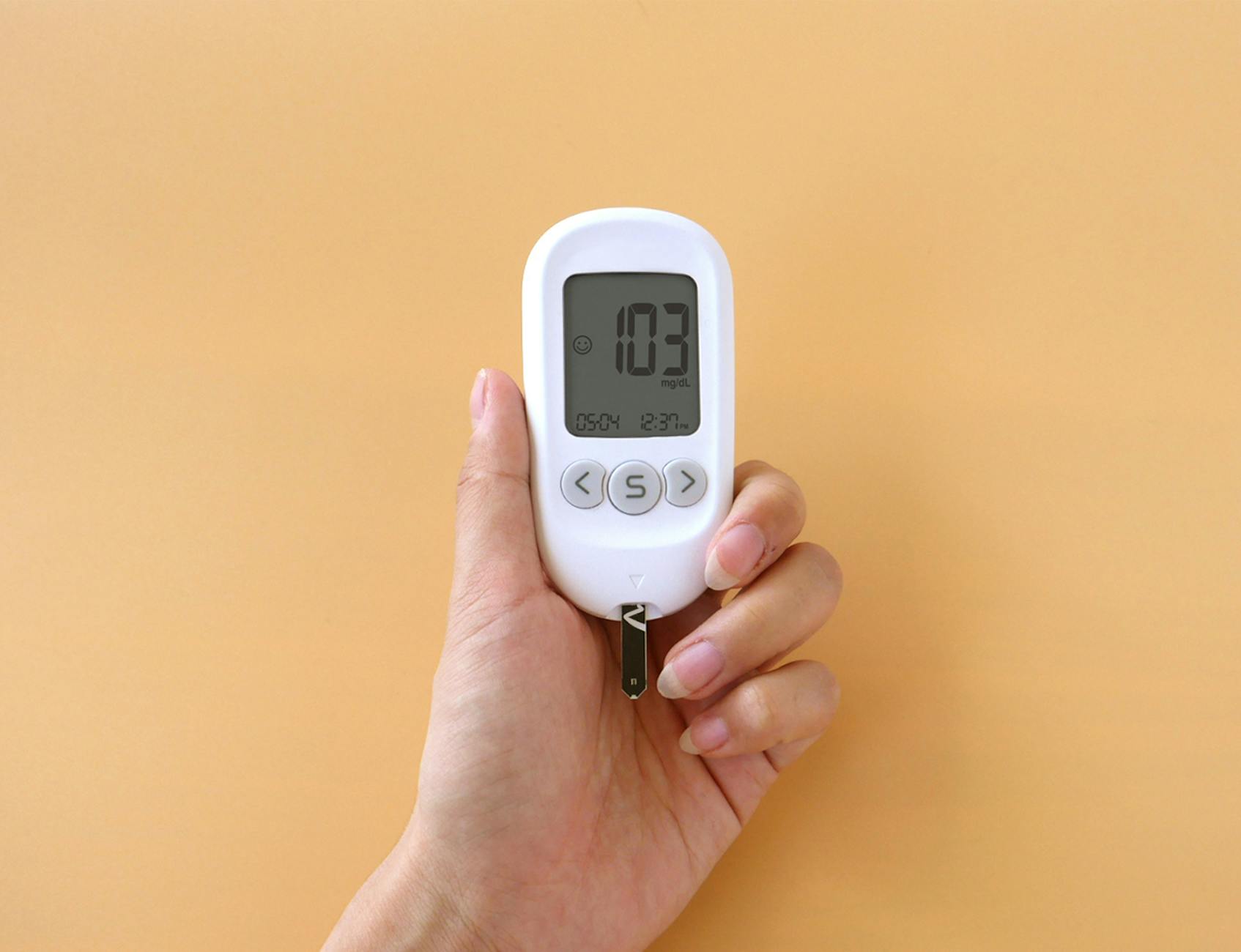
By Day 14, you will have identified your three to five highest-glycemic meals, your personal stress response pattern, the impact of sleep quality on morning fasting glucose, and whether alcohol causes rebound hypoglycemia during the night — a finding that surprises nearly every executive who discovers it. This baseline data is the foundation of every intervention that follows.
Phase 2: Dietary Optimization (Days 15–30)
Armed with your baseline data, begin targeted dietary modifications. The most impactful single intervention for most executives is meal sequencing — the order in which macronutrients are consumed within a single meal. Research from Weill Cornell Medicine demonstrated that eating vegetables and protein before carbohydrates reduces the postprandial glucose peak by up to 73% for the same meal. This requires no caloric restriction, no elimination of food groups, and no disruption to business dining — only a change in eating order.
The second highest-leverage dietary intervention is postprandial movement. A 10-minute walk within 30 minutes of finishing a meal activates GLUT-4 transporters in skeletal muscle through an insulin-independent mechanism, clearing glucose from circulation without insulin’s involvement. CGM data makes this effect immediately visible — executives report it as one of the most motivating aspects of real-time monitoring. Pair this with the fasting protocols outlined in our dedicated guide for compounded metabolic benefit.
Evaluate your response to specific foods methodically. Test your glucose response to oatmeal with and without added fat and protein. Test white rice versus cauliflower rice. Test a glass of red wine with dinner versus without. Test a 30-minute meditation after a high-stress call versus none. Each test produces a data point that, over weeks, builds a genuinely personalized metabolic operating manual no generic dietary guideline can replicate.
Phase 3: Advanced Performance Calibration (Days 31–90)
By the fifth week, most CGM executives have achieved meaningful improvements in time-in-range and reduced peak glycemic variability. Phase 3 shifts focus to performance timing — engineering your glucose trajectory to support specific cognitive demands across your schedule. Schedule high-stakes cognitive work — negotiations, creative strategy, written output — in the two to four hours following a metabolically clean, low-glycemic breakfast that maintains glucose in the 80–100 mg/dL range.
Use CGM data to calibrate your pre-meeting nutrition protocol. For a 9 AM board presentation, a breakfast consumed at 6:30–7:00 AM consisting of eggs, avocado, leafy greens, and a modest portion of low-glycemic carbohydrates will typically produce stable, peak-performance glucose levels by presentation time. For afternoon sessions, time lunch to resolve two full hours before the meeting begins, ensuring you are on the descending slope of postprandial glucose — not the ascending spike — when you enter the room.
Integrate your wearable biosensor data from heart rate variability (HRV) and sleep tracking with your CGM data stream. Nights with HRV below your personal baseline typically correspond to next-day morning fasting glucose elevated by 5–15 mg/dL, a biological consequence of sympathetic nervous system activation during poor recovery. Recognizing this pattern allows you to adjust your next-day nutritional strategy preemptively rather than reacting to the performance consequences.
Executive CGM Target Reference Table
| Metric | Optimal (Executive Performance) | Acceptable | Action Required |
|---|---|---|---|
| Fasting Glucose (AM) | 70–90 mg/dL | 91–100 mg/dL | >100 mg/dL or <70 mg/dL |
| 1-Hour Post-Meal Peak | <120 mg/dL | 120–130 mg/dL | >140 mg/dL |
| Return to Baseline | Within 90 minutes | Within 120 minutes | >120 minutes |
| Time in Range (70–140 mg/dL) | >95% | 90–95% | <90% |
| Coefficient of Variation (CV) | <25% | 25–36% | >36% |
| Nocturnal Glucose | 75–95 mg/dL steady | 70–100 mg/dL | Drops <70 or spikes >110 |
Who Is the Best Candidate for CGM Executive Monitoring?
The Ideal Executive Profile
CGM is not appropriate for everyone, and elite performance medicine requires intellectual honesty about patient selection. The ideal CGM executive candidate is a high-functioning professional between 35 and 65 years of age who is non-diabetic but carries one or more metabolic risk factors: a family history of Type 2 diabetes, metabolic syndrome, PCOS, a waist circumference above 40 inches (men) or 35 inches (women), or a documented HbA1c between 5.5% and 6.4% (pre-diabetic range). These individuals stand to gain the most from early, continuous metabolic intelligence.
Equally compelling candidates are high-performing executives with no identified risk factors but who experience unexplained cognitive variability — the brilliant strategist who is sharp at 9 AM and mentally flat by 3 PM, the CEO who performs brilliantly in morning meetings but loses sharpness during transatlantic travel. These patterns frequently have a metabolic underpinning that CGM exposes within the first week of use. Executives who have already invested in genome sequencing, HRV monitoring, sleep optimization, or advanced bloodwork represent the natural next step in their biometric stack.
Executives who are not good initial candidates include those with active eating disorders, those with severe hypoglycemia unawareness requiring medical management, or those who lack the behavioral readiness to act on data constructively rather than obsessively. CGM data is a tool for empowerment, not anxiety. I screen for data anxiety in all new patients before recommending CGM initiation, and in cases where psychological readiness is uncertain, I recommend beginning with a supervised two-week trial before committing to long-term use.
Cost, Access, and Sourcing
Devices, Pricing, and Prescription Requirements
In the United States, CGM devices require a prescription for insurance billing purposes. However, direct-to-consumer access has expanded substantially: Abbott FreeStyle Libre 2 sensors are available over the counter in the US as of 2024, priced at approximately $45–$55 per sensor (14-day wear). The Dexcom G7 requires a prescription and retails at approximately $350–$400 per month without insurance. In the UK, Australia, and Canada, prescription pathways vary by province and region; private-pay direct access is widely available through executive health clinics and telehealth platforms in all four markets.
Performance-focused CGM platforms add meaningful analytical infrastructure on top of the raw sensor data. Levels Health (US) integrates CGM data with meal logging, trend analysis, and personalized coaching at approximately $199–$299 per month including sensors. January AI and Supersapiens offer comparable platforms at varying price points. For executives who prefer full clinical integration, many longevity medicine concierge practices now offer CGM as part of a comprehensive executive health package ranging from $5,000 to $25,000 annually, depending on scope of services.
Insurance coverage in the US is currently limited to diagnosed diabetic and pre-diabetic patients; however, some forward-thinking Health Savings Account (HSA) plans recognize CGM as an eligible expense for metabolic monitoring. The UK’s NHS covers CGM for Type 1 diabetes patients; private CGM for performance use is self-funded. Australia’s PBS does not currently subsidize CGM for non-diabetic use. Regardless of geography, the return on investment for an executive who recovers two hours of peak cognitive performance per day is straightforward to calculate against the cost of any sensor subscription.
Risks, Contraindications, and Safety Considerations
Clinical Safety Profile
CGM devices are among the most extensively safety-tested consumer health technologies on the market, with post-market surveillance data spanning millions of sensor-years of use. The most common adverse event is local skin reaction at the insertion site — mild erythema or pruritus occurring in approximately 5–10% of users. This is almost always attributable to the adhesive rather than the sensor itself and resolves spontaneously within days of sensor removal. Medical-grade adhesive alternatives and barrier films are available for sensitive-skinned users.
A clinically important safety consideration specific to non-diabetic users is the risk of orthorexic behavior patterns — the development of food anxiety, rigid dietary restriction, or obsessive data monitoring in response to CGM readings. This phenomenon is documented in the peer-reviewed literature; a 2023 paper in the Journal of the Academy of Nutrition and Dietetics highlighted cases of disordered eating triggered by CGM use in individuals without prior metabolic diagnosis. I mitigate this risk through structured onboarding, clear target ranges, and explicit guidance that isolated high glucose readings are informational data points, not medical emergencies.
Contraindications include active use of acetaminophen (paracetamol) above 1,000 mg, which can interfere with glucose oxidase sensors and produce falsely elevated readings — a particular consideration for executives managing travel fatigue or headaches with over-the-counter analgesics. Individuals on anticoagulant therapy should confirm sensor insertion safety with their prescribing physician. MRI compatibility varies by device; the Abbott FreeStyle Libre 3+ and Dexcom G7 are both MRI-conditional under specific parameters. Always disclose active CGM use to any radiologist or imaging technician before scanning. CGM is a monitoring tool, not a diagnostic device — any readings that prompt clinical concern should be followed by confirmatory laboratory testing and physician evaluation.
Frequently Asked Questions
1. As a non-diabetic executive, do I need a doctor’s prescription to use a CGM?
In the United States, the Abbott FreeStyle Libre 2 became available without a prescription following an FDA ruling in 2024, making it the most accessible entry point for non-diabetic CGM users. The Dexcom G7 and most premium platforms still require a prescription for insurance purposes, though direct cash-pay purchasing is possible in some states. In the UK, Canada, and Australia, prescription requirements vary, and many executives access CGM through executive health clinics or telehealth platforms that can provide a rapid physician assessment and prescription within 24–48 hours. Working with a physician experienced in metabolic performance medicine remains strongly advisable regardless of the legal prescription requirement — the data CGM generates requires clinical context to interpret safely and effectively.
2. How is CGM different from checking blood glucose with a fingerstick?
A fingerstick glucose test provides a single data point — your blood glucose at one precise moment. It is the equivalent of photographing a river once and claiming to understand its flow. CGM provides a continuous data stream, capturing every rise, every fall, every nocturnal fluctuation, and every stress-induced spike across 24 hours a day for up to 15 days. This temporal dimension is where the performance intelligence lives. The peak of your post-lunch glucose spike, the speed at which you return to baseline, whether your glucose remains stable during sleep or crashes at 3 AM — none of these patterns are visible with fingerstick testing. For performance optimization purposes, CGM is categorically more informative.
3. Will CGM data tell me which diet is best for my performance?
CGM will tell you which foods and eating patterns produce the most stable glucose trajectory for your specific biology — and this is more valuable than any population-based dietary prescription. The research is unambiguous: individual glycemic responses to identical foods vary enormously. Some executives discover they tolerate white rice remarkably well; others find a seemingly healthy smoothie spikes their glucose to 160 mg/dL. By systematically testing foods and meals during your CGM wear period, you build a personalized glycemic food map that no nutritional guideline can replicate. Combining CGM data with nutrigenomic analysis creates an exceptionally powerful dual framework — your genetic predispositions reveal the direction; your CGM data confirms the destination.
4. Does alcohol consumption significantly affect glucose levels shown on CGM?
Alcohol’s effect on glucose is more complex — and more concerning — than most executives expect. Moderate alcohol consumption (1–2 standard drinks) initially raises blood glucose modestly due to caloric content and carbohydrate content in mixers, but subsequently suppresses hepatic glucose production for 4–8 hours through inhibition of gluconeogenesis. For CGM executives, this typically manifests as a nocturnal glucose drop — sometimes into the 55–65 mg/dL range — occurring 3–5 hours after evening drinks, corresponding precisely to the first half of the sleep cycle when growth hormone release and memory consolidation are occurring. This rebound hypoglycemia disrupts sleep architecture measurably and impairs next-day cognitive performance. CGM provides the first clear, visual evidence of this mechanism that most executives have ever seen, and it is frequently a significant behavioral change trigger.
5. How does CGM integrate with other wearables in an executive biometric stack?
CGM functions most powerfully when correlated with complementary biometric data streams. Pairing CGM with an HRV-tracking device such as the WHOOP 5.0 or Oura Ring 4 allows you to map the relationship between sleep quality and next-day fasting glucose — a bidirectional relationship where poor sleep raises glucose and elevated glucose disrupts sleep architecture. Correlating CGM data with continuous blood pressure monitoring, where available, adds a cardiovascular dimension to the metabolic picture. The emerging generation of executive wearable biosensor platforms is increasingly building multi-modal integration features that unify these data streams into a single interpretive dashboard, reducing the analytical burden on the user and surfacing actionable insights automatically. The goal is not more data — it is better signal extraction from integrated data.
6. How long should an executive wear a CGM? Is it meant to be permanent?
There is no single correct answer, and the protocol I use with executive patients is tiered by objective. For initial metabolic characterization, a single 14-day wear cycle provides sufficient data to identify your baseline glycemic signature, highest-risk foods and meals, and stress response patterns. For active dietary optimization, a second and third sensor cycle — worn during the protocol phases described above — allow you to quantify the impact of specific interventions with statistical confidence. For long-term metabolic surveillance, most of my patients adopt a quarterly monitoring model: wearing a sensor for 14 days at the start of each quarter to assess metabolic drift, particularly after periods of intensive travel, sleep disruption, or dietary changes. Some executives choose continuous year-round monitoring and report that the ongoing accountability and real-time feedback align with their performance culture. Both approaches are clinically valid; the right choice depends on your behavioral relationship with data and your specific health objectives.
Conclusion: Metabolic Intelligence Is Executive Intelligence
Glucose is not merely a number on a lab report. It is the operational currency of your brain, the substrate of your decisions, and the hidden variable behind your best and worst professional performances. CGM executives who have integrated continuous glucose monitoring into their health stack consistently report the same outcome: they stop guessing about their performance and start engineering it. The data is objective, the patterns are reproducible, and the interventions are precise.
The executives who will lead their industries in the next decade will not simply outwork their competitors. They will out-recover, out-optimize, and out-perform them at a biological level. Continuous glucose monitoring is not a gadget. It is a clinical instrument that, in the right hands, transforms metabolic opacity into performance clarity.
If you are ready to stop reacting to your body’s signals and start interpreting them with the same rigor you apply to your business data, the next step is a structured executive wellness consultation. At MenteYPlacer.com, I work with C-suite executives across the US, UK, Canada, and Australia to design individualized longevity and performance protocols — including CGM initiation, data interpretation, and full metabolic optimization programs. Schedule your executive wellness consultation today and begin operating at the level your position demands.
Disclaimer: This article is intended for informational purposes only and does not constitute medical advice. Consult a qualified physician before initiating any new health monitoring technology or modifying your medical management. All clinical data cited is accurate as of the publication date of April 2026.
Reviewed by Catalina Vega, Longevity & Performance Medicine | MenteYPlacer.com
Scientific References & Sources
