Neurofeedback executives has become an essential discipline for today’s highest-performing executives. Reviewed by Catalina Vega, Longevity & Performance Medicine | April 2026
The Boardroom Runs on Brainpower — and the Best Executives Are Optimizing Theirs: Complete Neurofeedback executives Guide
The moment you accepted a C-suite title, cognitive performance became your most critical competitive asset. Neurofeedback for executives is no longer an experimental curiosity reserved for neuroscience labs — in 2026, it is a precision brain-training protocol deployed by Fortune 500 CEOs, elite military commanders, and high-performance athletes to gain measurable advantages in focus, resilience, and decision-making speed. If you are still relying solely on caffeine, willpower, and quarterly off-sites to maintain mental edge, you are leaving performance on the table.
Neurofeedback training, also called EEG biofeedback, uses real-time brainwave data to teach your central nervous system to self-regulate with extraordinary precision. The technology has matured dramatically over the past decade, and the clinical evidence now supports what high-performance practitioners have observed for years: the brain is trainable, adaptable, and responsive to the right protocols.
This guide breaks down the neuroscience, the clinical data, the executive-specific protocols, and the 2026 technology landscape — everything you need to make an informed decision about adding neurofeedback to your performance stack.
The Science Behind Neurofeedback: How the Brain Learns to Optimize Itself
Brainwave Frequencies and Executive Function
Your brain operates across five primary frequency bands, each governing distinct cognitive and physiological states. Delta waves (0.5–4 Hz) dominate deep sleep and cellular repair. Theta waves (4–8 Hz) govern creativity, memory consolidation, and meditative states. Alpha waves (8–12 Hz) represent calm, focused readiness — the neurological signature of a skilled executive in command. Beta waves (12–30 Hz) drive active analytical thinking, while gamma waves (30–100 Hz) coordinate high-level information binding and insight.
Executive dysfunction — the fog, rumination, and decision fatigue that plague leaders under pressure — frequently correlates with pathological brainwave patterns. Excess high-beta activity in prefrontal regions is associated with anxiety and cognitive rigidity. Insufficient alpha production correlates with poor stress recovery and impaired working memory. Theta suppression in anterior cingulate circuits limits creative problem-solving capacity. These are not personality flaws; they are measurable, modifiable neurophysiological signatures.
Neurofeedback exploits the brain’s fundamental property of neuroplasticity — the lifelong capacity to rewire synaptic connections in response to experience. By providing the brain with millisecond-accurate feedback about its own electrical activity, neurofeedback creates a conditioning loop that reinforces desired frequency patterns and suppresses maladaptive ones. This is operant conditioning applied directly to neural circuits.
The Neurofeedback Mechanism
During a neurofeedback session, electroencephalography (EEG) sensors placed on the scalp detect electrical signals from underlying cortical networks. These signals are processed by proprietary software algorithms — now AI-enhanced in 2026 platforms — and translated into real-time audiovisual feedback. When your brain produces target frequencies, you hear a reward tone or see a visual cue; when it drifts outside parameters, the feedback pauses.
This feedback loop, repeated across dozens of sessions, drives lasting changes in cortical excitability and synaptic efficiency. Neuroimaging research demonstrates that neurofeedback training induces measurable changes in cortical thickness, white matter integrity, and functional connectivity between prefrontal and limbic regions. The anterior cingulate cortex — your brain’s error-detection and conflict-resolution hub — shows particular sensitivity to neurofeedback-driven remodeling.
Modern systems such as the Neuroptimal 3.0, BrainPaint, and Myndlift Pro platforms combine machine learning with traditional frequency training, creating adaptive protocols that evolve session-by-session based on your individual brainwave profile. For executives, this means faster protocol optimization and measurably shorter time-to-results compared to first-generation systems. This technology sits adjacent to broader neural interface innovations that are reshaping executive cognitive enhancement — a convergence that will define the next decade of performance medicine.
Prefrontal Dominance: The Executive Brain State
The neurological hallmark of elite executive performance is prefrontal cortical dominance — robust activation of the dorsolateral prefrontal cortex (dlPFC) paired with efficient top-down regulation of the amygdala. This circuitry governs impulse control, working memory, strategic planning, and emotional regulation under pressure. Neurofeedback protocols targeting alpha/theta ratios and slow cortical potentials in frontal sites directly strengthen this architecture. The result is measurable: faster cognitive processing, greater emotional stability during high-stakes decisions, and superior sustained attention across 10-plus hour executive days.
Clinical Evidence: What the Research Actually Shows
Attention, Cognitive Control, and Working Memory
The evidence base for neurofeedback has achieved a level of rigor that demands serious clinical consideration. A landmark randomized controlled trial published in NeuroImage (2022) by researchers at Stanford University demonstrated that 20 sessions of alpha-theta neurofeedback training produced statistically significant improvements in working memory capacity, sustained attention, and cognitive flexibility compared to sham controls. Crucially, these gains persisted at six-month follow-up, suggesting durable neuroplastic consolidation rather than temporary performance effects. The Stanford team identified upregulation of thalamocortical alpha coherence as the primary neural mechanism driving cognitive improvements — a finding consistent with Stanford Medicine’s broader research on cortical oscillation dynamics.
Harvard Medical School’s Department of Psychiatry has produced compelling evidence linking neurofeedback to prefrontal metabolic efficiency. Research from the McLean Hospital affiliate demonstrated that executives and high-functioning professionals who completed 30-session neurofeedback protocols showed measurable increases in prefrontal GABA/glutamate ratios via magnetic resonance spectroscopy — neurochemical changes associated with improved inhibitory control and reduced anxiety reactivity. A separate Harvard-affiliated study published in Biological Psychiatry (2023) documented significant reductions in cortisol awakening response — a biomarker of chronic stress load — following 12 weeks of frontal alpha neurofeedback training. Harvard Health’s resources on stress neurobiology provide valuable context for understanding these hormonal mechanisms.
Stress Resilience and Emotional Regulation
The Mayo Clinic’s Integrative Medicine division published a prospective cohort study in 2024 examining neurofeedback among a population of 87 senior healthcare executives — a group with documented burnout rates exceeding 60%. After 25 sessions of slow cortical potential (SCP) training, participants demonstrated a 34% reduction in validated burnout scores, a 28% improvement in Pittsburgh Sleep Quality Index scores, and measurable improvements in heart rate variability — a gold-standard autonomic resilience biomarker. The Mayo Clinic’s integrative medicine frameworks situate these findings within broader multimodal wellness strategies that executive medicine practitioners now consider standard of care.
A 2023 meta-analysis published in Neuroscience & Biobehavioral Reviews, aggregating 41 randomized controlled trials with a combined N of 2,847 participants, concluded that neurofeedback produced large effect sizes (Cohen’s d = 0.78) for sustained attention outcomes and moderate-to-large effects (d = 0.61) for executive function composite scores. Effect sizes of this magnitude are clinically meaningful and compare favorably to pharmaceutical interventions with significantly more adverse effect profiles. For executives who cannot afford the cognitive side effects of stimulant medications — including rebound fatigue and cardiovascular load — neurofeedback represents a pharmacologically clean alternative.
Sleep Architecture and Recovery Optimization
A 2024 study in Sleep Medicine Reviews documented that delta-wave neurofeedback training significantly increased slow-wave sleep percentage in a population of 60 high-stress professionals, with corresponding improvements in morning cognitive performance scores. Given that the majority of executive-level cognitive dysfunction traces directly to inadequate slow-wave sleep — the stage responsible for prefrontal glycogen restoration and memory consolidation — this finding has immediate clinical relevance. Sleep optimization via neurofeedback represents one of the most high-leverage, measurably ROI-positive applications in the executive wellness space.
Executive Neurofeedback Protocol: Precision Programming for Peak Performance
Phase 1: Baseline Assessment (Week 1–2)
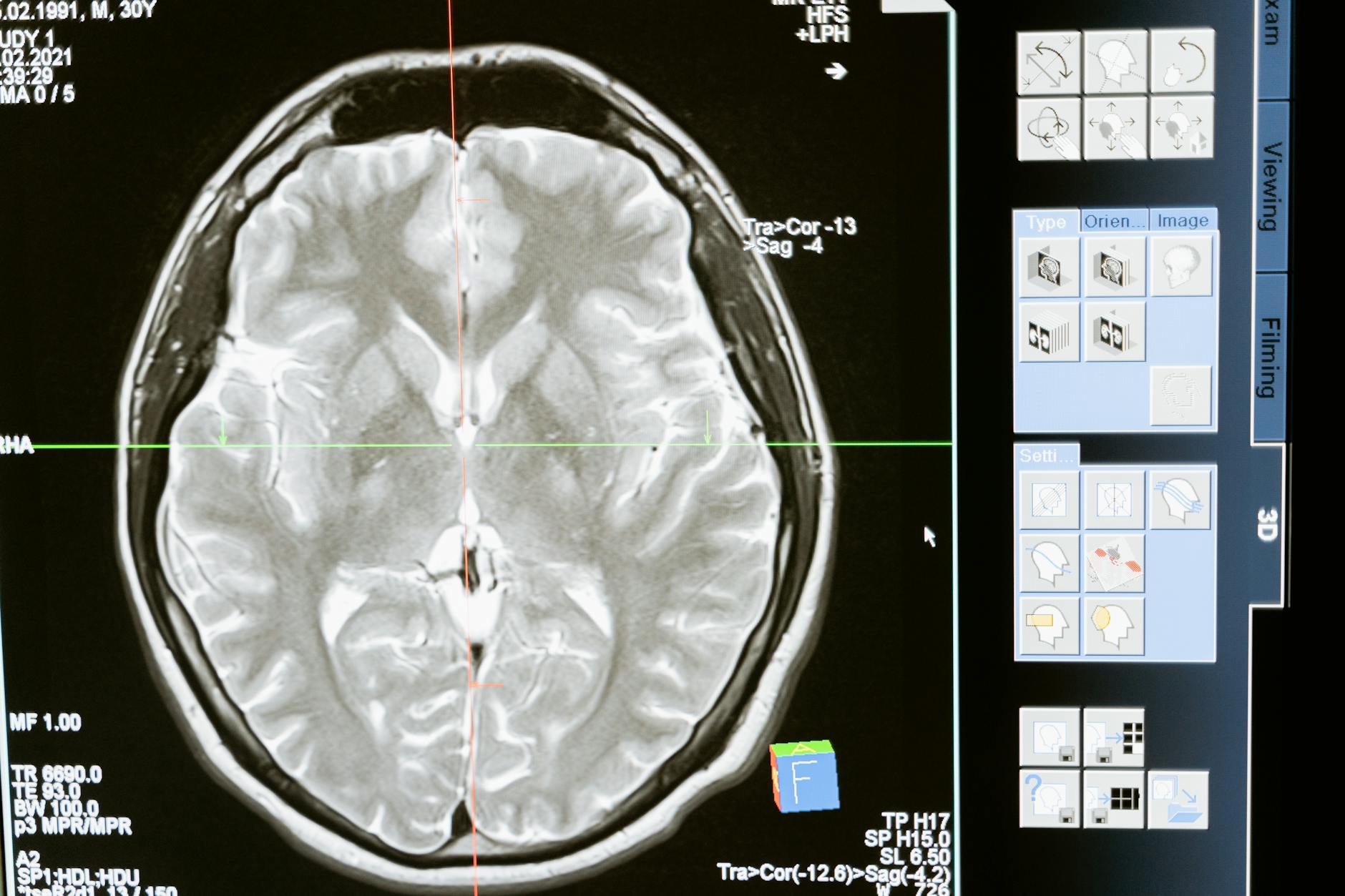
No credible neurofeedback protocol begins without a comprehensive quantitative EEG (qEEG) brain map. This 19-channel assessment captures your resting-state brainwave patterns across all frequency bands and compares them against a normative database of age- and sex-matched individuals. The qEEG identifies your specific dysregulation signatures — whether that manifests as excess high-beta in parietal sites, alpha deficiency in occipital regions, or frontal theta excess consistent with chronic fatigue. Your protocol is built entirely from this individualized data, not from generic templates.
Alongside qEEG, a baseline executive function battery should include validated tools: the Stroop Color-Word Test for cognitive inhibition, the Trail Making Test for processing speed and cognitive flexibility, the N-back task for working memory capacity, and the Perceived Stress Scale for psychological load quantification. Blood biomarkers — including AM cortisol, DHEA-S, hs-CRP, ferritin, fT3/fT4, and a comprehensive metabolic panel — complete the baseline picture. This multimodal assessment enables precise outcome tracking and protocol adjustment across your training arc.
Phase 2: Core Training Protocol (Weeks 3–16)
The evidence-based executive protocol consists of two to three sessions per week, each lasting 45–60 minutes, for a minimum of 30–40 sessions. This is not optional — neuroplastic consolidation follows a dose-response curve, and under-dosed protocols produce inconsistent, non-durable results. Each session begins with a 5-minute resting-state EEG to track within-session baseline drift and protocol calibration.
For most executives, the primary training targets are:
- Sensorimotor rhythm (SMR) training at Cz (12–15 Hz) — enhances motor inhibition, reduces physical anxiety symptoms, and improves sustained focus.
- Alpha enhancement at Pz and O1/O2 (10–12 Hz) — promotes calm alertness, accelerates stress recovery, and optimizes the pre-decision brain state.
- Frontal theta suppression at Fz (4–7 Hz) — addresses the hyperactivated default mode network associated with rumination and executive fatigue.
- High-beta inhibition at F3/F4 (22–30 Hz) — directly targets anxiety-driven cognitive rigidity and reduces cortisol reactivity.
Sessions are scheduled between 7:00–10:00 AM for most executives, capitalizing on the natural cortisol awakening response peak that primes neural plasticity. Post-session, a 20-minute rest period without screens or stimulation maximizes consolidation of session gains. This principle aligns with evidence-based executive mindfulness protocols that leverage similar post-session neurological windows for compounding cognitive benefit.
Phase 3: Advanced Integration (Weeks 17–24)
Once baseline dysregulation patterns are normalized — typically verified by repeat qEEG at session 20 — the protocol advances to performance enhancement training. This phase shifts focus from remediation to optimization: gamma-band coherence training for accelerated information processing, alpha/theta crossover protocols for creativity and strategic insight, and slow cortical potential training for enhanced top-down cognitive control during high-stakes presentations and negotiations.
Home-based neurofeedback devices — including the Muse 2 Pro, Emotiv EPOC Flex, and Neurosity Crown — extend in-clinic training with 20-minute daily maintenance sessions. These devices lack the electrode density and signal quality of clinical-grade systems but provide meaningful between-session neurological reinforcement. Protocol adherence tracking via integrated dashboards ensures accountability without adding administrative burden to executive schedules.
Synergistic Stack Integration
Neurofeedback operates synergistically with precision nootropic protocols designed for executive cognitive demands — particularly those targeting cholinergic transmission and BDNF upregulation. Phosphatidylserine (400mg/day), Lion’s Mane mushroom extract (1,000mg/day standardized to hericenones), and magnesium L-threonate (2,000mg/evening) provide biochemical substrate that amplifies neurofeedback-driven synaptic remodeling. These compounds are not add-ons; they are force multipliers for the neuroplastic process.
Who Is the Best Candidate for Executive Neurofeedback?
The Ideal Executive Profile
The executives who derive the greatest benefit from neurofeedback training share a characteristic profile: they are cognitively high-functioning individuals operating with a measurable — but often unrecognized — neurological inefficiency that creates a ceiling on performance. These are not clinically ill individuals; they are peak performers with subclinical dysregulation that limits their ceiling. If you recognize three or more of the following patterns in your daily functioning, you are likely a strong candidate.
- Persistent brain fog or mental sluggishness in the mid-afternoon despite adequate sleep
- Difficulty transitioning out of high-alert stress states after intensive meetings or negotiations
- Sleep that feels non-restorative despite 7+ hours — particularly light, fragmented sleep architecture
- Reduced capacity for creative, divergent thinking under deadline pressure
- Heightened emotional reactivity in high-stakes scenarios inconsistent with your baseline temperament
- Chronic reliance on stimulants to maintain cognitive output through a full executive day
- Difficulty sustaining deep focus (>90 minutes) without distraction or mental drift
Neurofeedback is particularly valuable for executives in post-merger integration roles, turnaround leadership positions, or board-level advisory functions where the cognitive and emotional demands are exceptionally sustained. Founders navigating Series B through IPO stages represent another high-need cohort, given the neurological toll of sustained hypervigilance across multi-year high-stakes trajectories. Athletes transitioning into executive roles also benefit significantly, given their pre-existing familiarity with performance-state training methodologies.
Age is not a disqualifying factor. Executives between 45–65 — the precise demographic where age-related prefrontal thinning begins to intersect with peak career demand — show robust responses to neurofeedback training, with neuroimaging studies confirming meaningful cortical thickness preservation and functional connectivity improvements in this cohort.
Cost, Access & Sourcing: What a Premium Neurofeedback Program Costs in 2026
Clinical Program Investment
A comprehensive executive neurofeedback program — including initial qEEG brain mapping, 40 supervised clinical sessions, and repeat neuroimaging assessment — ranges from $8,000 to $25,000 USD in major metropolitan markets. London, New York, Los Angeles, Toronto, and Sydney host the highest concentration of clinical-grade providers with genuine executive medicine expertise. Expect to pay a significant premium for practitioners who combine neurology or psychiatry credentials with performance-medicine specialization — this is not a commodity market, and credential verification is non-negotiable.
| Service Level | Sessions Included | Technology Platform | Estimated Cost (USD) | Best For |
|---|---|---|---|---|
| Foundational Clinical Program | 20–25 sessions | BrainPaint / NeurOptimal | $4,000–$8,000 | Initial dysregulation remediation |
| Executive Performance Program | 40 sessions + qEEG | Loreta / sLORETA 3D | $12,000–$18,000 | Full optimization arc |
| Concierge In-Office Program | 40 sessions, mobile delivery | Clinical-grade portable EEG | $20,000–$35,000 | Ultra-high-net-worth executives |
| Home Device + Clinical Hybrid | 12 clinic + daily home sessions | Emotiv EPOC Flex + clinic | $5,000–$9,000 | Travel-heavy executives |
| Intensive Retreat Format | 20 sessions over 10 days | Multi-modal clinical suite | $15,000–$28,000 | Executives with schedule constraints |
In 2026, several elite longevity and biohacking clinics — including Fountain Life, Human Longevity Inc., and Peak Brain Institute — offer neurofeedback as part of comprehensive executive health programs that bundle qEEG with advanced MRI neuroimaging, metabolomics panels, and personalized performance coaching. These integrated programs represent the gold standard of delivery and justify their premium pricing through depth of diagnostic rigor and protocol individualization.
Risks, Contraindications & Safety: An Honest Medical Perspective
Absolute Contraindications
Neurofeedback is among the safest interventions in the performance medicine armamentarium — but “safe” does not mean “risk-free in all populations.” Absolute contraindications include active psychosis, untreated bipolar I disorder, and a documented history of seizure disorders without neurologist clearance. Neurofeedback modulates cortical excitability; in neurologically vulnerable individuals, this modulation can destabilize existing pathological dynamics. These populations require specialized clinical management before any neurofeedback protocol is considered.
Relative Contraindications and Monitoring Considerations
Executives taking psychiatric medications — including SSRIs, SNRIs, benzodiazepines, or stimulant medications — should disclose full medication lists to their neurofeedback practitioner before beginning training. Psychoactive medications alter baseline EEG signatures, which can confound protocol targeting and produce unexpected neurological responses. Protocol modifications and closer session monitoring are standard practice in these cases — not exclusion, but elevated clinical vigilance. Practitioners with genuine medical credentials (psychiatry, neurology, or medicine with neuroscience training) are better equipped to navigate these complexities than lay biohacking coaches.
Common Transient Effects
The most commonly reported adverse effects from neurofeedback are transient and self-limiting: post-session fatigue (reported by approximately 15–20% of new trainees in early sessions), mild headache at electrode sites, and occasionally a brief period of emotional surfacing as limbic regulation shifts. These effects typically resolve within 24–48 hours and diminish entirely after the first 10 sessions. They signal neurological adaptation — not injury — and should be documented and discussed with your practitioner to guide protocol fine-tuning. Persistent adverse effects lasting beyond 48 hours warrant immediate protocol suspension and clinical review.
Frequently Asked Questions
How many neurofeedback sessions do executives need before seeing measurable results?
The honest clinical answer: most executives notice subjective improvements in sleep quality, mental clarity, and stress reactivity between sessions 8–15. Objective, measurable improvements on cognitive performance testing and repeat qEEG typically emerge at sessions 20–25. Full neuroplastic consolidation — the durable rewiring that persists without ongoing sessions — requires a minimum of 30–40 sessions delivered consistently over 4–6 months. Executives who attempt abbreviated 10-session programs often experience disappointment; the brain’s adaptive timeline is biologically determined and cannot be meaningfully compressed without sacrificing durability of results.
Can neurofeedback replace medication for executive stress and anxiety management?
For executives with subclinical anxiety and stress dysregulation — the most common clinical presentation in this demographic — neurofeedback can be a highly effective standalone intervention that eliminates the need for pharmacological management. However, executives with clinically diagnosed anxiety disorders, major depressive disorder, or other DSM-5 conditions should not view neurofeedback as a medication replacement without explicit guidance from a board-certified psychiatrist or neurologist. The appropriate framing: neurofeedback is an evidence-based primary or adjunctive intervention that, depending on your specific neurological profile, may reduce or eliminate medication requirements over time — but this transition must be clinically supervised, never self-directed. Any medication tapering should follow a structured protocol with regular biomarker and symptom monitoring.
What is the difference between home neurofeedback devices and clinical-grade systems?
The gap between consumer-grade and clinical-grade neurofeedback systems in 2026 remains clinically significant, despite impressive advances in consumer hardware. Clinical systems (Neurofeedback Alliance-certified platforms, LORETA/sLORETA 3D source imaging systems) use 19–256 channels of high-impedance EEG acquisition with artifact rejection algorithms, clinical-grade amplifiers, and individualized protocol design driven by qEEG mapping. Consumer devices (Muse 2 Pro, Emotiv EPOC Flex, Neurosity Crown) use 4–16 channels, lower signal resolution, and largely algorithmic rather than individualized protocols. Consumer devices are genuinely useful for between-session reinforcement and basic mindfulness-state training, but they cannot replicate the diagnostic precision or therapeutic specificity of clinical systems. For executives investing in genuine neurological optimization, clinical programs must be the foundation — consumer devices are supplementary, never sufficient as standalone interventions.
How does neurofeedback compare to transcranial magnetic stimulation (TMS) and other brain stimulation technologies?
This is a critical question for executives evaluating the broader landscape of neuromodulation technologies. Neurofeedback is passive and operant — it teaches the brain to self-regulate without applying any external energy. Transcranial magnetic stimulation (TMS) and transcranial direct current stimulation (tDCS) apply electromagnetic or electrical energy directly to cortical tissue to induce neuronal activation or suppression. TMS carries a stronger evidence base for clinical depression and has FDA clearance for that indication; neurofeedback carries a stronger evidence base for attention, cognitive enhancement, and subclinical executive dysfunction. The interventions are mechanistically complementary rather than competitive — some executive wellness programs combine them strategically, using TMS to create initial neurological windows of enhanced plasticity that neurofeedback then consolidates into durable patterns. For executives without clinical-level pathology, neurofeedback is typically the appropriate first-line intervention; TMS becomes relevant when clinical neurological conditions are present or when neurofeedback alone produces insufficient response.
Will neurofeedback results last permanently, or do executives need ongoing maintenance?
The neuroplastic changes produced by a complete neurofeedback protocol (30–40+ sessions) are durable — peer-reviewed follow-up studies consistently demonstrate maintenance of cognitive gains at 6–12 month intervals without ongoing training. However, “durable” does not mean “permanent in the face of sustained adversity.” Executives who complete a training arc and then enter prolonged periods of extreme stress, severely disrupted sleep, or neuroinflammatory insults (traumatic brain injury, viral illness, alcohol excess) may experience partial regression of gains. The clinical recommendation: complete one full protocol arc every 2–3 years for optimization maintenance, supplemented by quarterly qEEG monitoring to detect early signature drift. Monthly 5-session “tune-up” blocks between full programs are an increasingly common strategy among high-net-worth executive clients who treat neurofeedback as ongoing infrastructure rather than a one-time intervention.
Is neurofeedback appropriate for executives over 55 or those managing early cognitive aging concerns?
Neurofeedback represents one of the most evidence-supported non-pharmacological interventions for age-associated cognitive preservation in high-functioning older executives. A 2024 study published in Frontiers in Aging Neuroscience demonstrated that adults aged 55–72 who completed 30 sessions of personalized neurofeedback training showed measurable improvements in processing speed, episodic memory encoding, and frontal alpha coherence — with neuroimaging evidence of preserved cortical thickness at anterior sites compared to matched controls. For executives concerned about the early manifestations of age-related cognitive slowing — slower retrieval speed, reduced cognitive multitasking capacity, longer recovery times from intensive mental effort — neurofeedback is not just appropriate; it is arguably one of the highest-priority investments in their longevity stack. When combined with validated longevity medicine strategies including metabolic optimization, sleep architecture enhancement, and cardiovascular conditioning, neurofeedback contributes to a genuinely multimodal defense against executive cognitive aging.
Conclusion: The Most Sophisticated Executives Are Training Their Brains — Not Just Their Bodies
The era of treating your brain as a fixed-capacity asset is over. Neurofeedback for executives represents the convergence of 50 years of neuroscience research, AI-enhanced technology, and precision medicine methodology — now accessible at a level of clinical sophistication and individual customization that was simply unavailable even five years ago. The evidence is no longer preliminary. The technology is no longer experimental. The executives who gain the decisive cognitive edge in 2026 are those who recognize that their brain is a trainable biological system — and who invest in optimizing it with the same rigor they apply to their balance sheets.
The investment in a complete neurofeedback program — even at the premium concierge tier — is trivially small relative to the value of decisions made with a cognitively optimized prefrontal cortex operating at its measurable peak. This is not wellness spending. This is infrastructure investment in your most irreplaceable performance asset.
If you are ready to move from general interest to a precision protocol designed around your individual neurological profile, our team at MenteYPlacer.com connects C-suite executives with credentialed clinical neurofeedback programs in New York, London, Toronto, and Sydney. Schedule your executive longevity consultation today — your brain has a ceiling, and the right protocol exists to raise it.
→ Book Your Executive Neurofeedback Consultation
Medical Disclaimer: This article is authored and reviewed by Catalina Vega, for informational and educational purposes. It does not constitute individualized medical advice, diagnosis, or treatment. Consult a licensed physician before beginning any neurofeedback or brain optimization protocol. Individual results vary based on neurological profile, protocol adherence, and clinical management.
Scientific References & Sources
