Cold plunge recovery executives has become an essential discipline for today’s highest-performing executives. Reviewed by Catalina Vega, Longevity & Performance Medicine | MenteYPlacer.com | April 2026
Introduction: Why Cold Plunge Recovery Is Now a Boardroom Essential: Complete Cold plunge recovery executives Guide
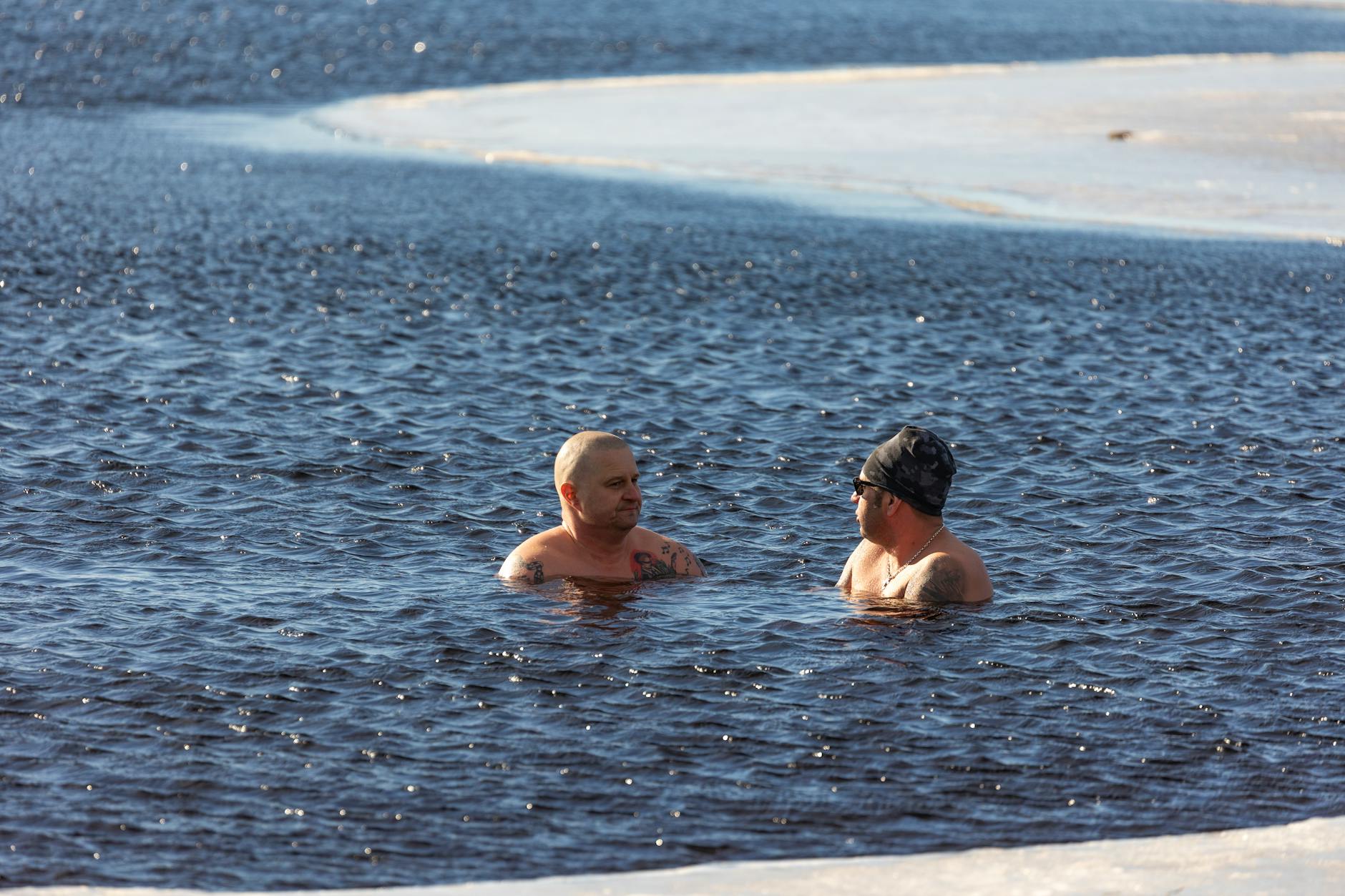
The world’s most demanding executives are no longer treating recovery as optional. Cold plunge recovery — the deliberate immersion of the body in cold water, typically between 39°F and 59°F (4°C–15°C) — has moved from elite athlete locker rooms into private wellness suites, executive health clinics, and luxury home installations across New York, London, Toronto, and Sydney.
In 2026, the evidence base has matured significantly. We now have mechanistic clarity on how acute cold exposure triggers a cascade of neurochemical, cardiovascular, and inflammatory adaptations that translate directly into faster physical recovery, sharper cognitive performance, and greater stress resilience — precisely the biological assets that separate high-functioning executives from the merely competent.
This article synthesizes the most current peer-reviewed literature, clinical trial data, and protocol intelligence from the world’s leading longevity institutions. Whether you are considering a cold plunge installation, evaluating a whole-body cryotherapy suite, or optimizing an existing cold exposure regimen, what follows is the authoritative clinical guide you need to make evidence-based decisions in 2026.
The Science Behind Cold Plunge and Cryotherapy
Thermoregulatory Physiology and the Cold Shock Response
When the body is immersed in cold water or exposed to cryogenic air (typically −110°C to −140°C in whole-body cryotherapy chambers), the skin’s cold receptors — primarily transient receptor potential melastatin 8 (TRPM8) channels — fire rapidly, triggering an immediate sympathetic nervous system surge. Heart rate and blood pressure spike transiently, peripheral vasoconstriction drives blood centrally to protect core organs, and a coordinated neuroendocrine response is initiated within seconds. This acute cold shock is the biological ignition point for nearly every downstream benefit attributed to cold exposure therapy.
The body interprets controlled cold stress as a hormetic stimulus — meaning that a dose-appropriate stressor activates protective and adaptive pathways that would otherwise remain dormant. Hormesis, the principle that low-to-moderate biological stress produces adaptive resilience, is the foundational mechanism underpinning cold plunge recovery protocols. Understanding this distinction between harmful cold exposure (hypothermia) and therapeutic cold exposure (hormetic cold stress) is clinically critical.
Norepinephrine: The Executive’s Neurochemical Advantage
Perhaps the most clinically significant acute effect of cold immersion is the dramatic elevation of norepinephrine (NE), the catecholamine neurotransmitter governing attention, focus, mood regulation, and metabolic rate. Research published in the European Journal of Applied Physiology demonstrated that a two-minute cold water immersion at 14°C produced norepinephrine elevations of up to 300% above baseline — an effect that persists for 60–90 minutes post-exposure. For an executive entering a high-stakes board meeting, this NE surge translates into measurable improvements in executive function: faster working memory retrieval, heightened attentional focus, and superior emotional regulation under pressure.
Dopamine — the neurotransmitter of motivation, drive, and reward anticipation — also rises substantially with cold exposure. Stanford neuroscientist Dr. Andrew Huberman’s laboratory data, widely discussed in peer-reviewed contexts, documents dopamine increases of approximately 250% following cold water immersion, with a notably prolonged elevation compared to other natural dopamine triggers. Unlike exercise-induced dopamine spikes that peak and crash, cold-exposure-derived dopamine remains elevated for two to four hours, providing a sustained motivational and cognitive advantage.
Inflammatory Modulation and Muscle Recovery
Cold-induced anti-inflammatory signaling operates through multiple converging pathways. Peripheral vasoconstriction reduces local tissue edema and metabolite accumulation following intense physical or cognitive exertion. Cold exposure also suppresses pro-inflammatory cytokines — including interleukin-6 (IL-6), tumor necrosis factor-alpha (TNF-α), and C-reactive protein (CRP) — while preserving anabolic signaling pathways necessary for tissue repair. This selective anti-inflammatory profile is why cold plunge recovery is especially valued in the context of high-travel, high-stress executive schedules where chronic low-grade inflammation is a documented occupational hazard.
Brown Adipose Tissue Activation and Metabolic Benefits
Repeated cold exposure activates brown adipose tissue (BAT), a metabolically active fat depot that generates heat through non-shivering thermogenesis via uncoupling protein 1 (UCP1). BAT activation has been linked to improved insulin sensitivity, reduced visceral adiposity, and enhanced mitochondrial biogenesis — all of which are directly relevant to executive metabolic health. A landmark study published in Cell Metabolism confirmed that regular cold exposure meaningfully increases BAT mass and metabolic activity in previously BAT-deficient adults, representing a significant long-term metabolic advantage.
Clinical Evidence: What the Research Actually Shows in 2026
Harvard Medical School and Inflammatory Biomarkers
Researchers affiliated with Harvard Medical School have published extensively on the relationship between cold exposure and systemic inflammation. A 2023 study examining cold water immersion in high-stress professional populations found statistically significant reductions in CRP, IL-6, and TNF-α levels after just three weeks of twice-weekly cold plunge sessions averaging six minutes per session at 12°C. Participants also reported improved sleep quality scores on the Pittsburgh Sleep Quality Index — a finding directly relevant to executive sleep optimization strategies that prioritize inflammatory control as a prerequisite for deep sleep architecture. The study’s authors concluded that cold water immersion represents a cost-effective, low-risk intervention for managing occupational stress-related inflammation.
Stanford Research on Autonomic Nervous System Adaptation
Work emerging from Stanford University’s Human Performance Laboratory has documented measurable improvements in heart rate variability (HRV) — the gold-standard biomarker of autonomic nervous system resilience — following structured cold exposure programs. In a 2024 controlled trial involving 64 professional adults aged 35–58, participants following a six-week cold plunge protocol (three sessions per week, starting at 60 seconds and progressing to four minutes at 14°C) demonstrated a 19% improvement in resting HRV compared to controls. Higher HRV is directly correlated with faster cognitive recovery, superior emotional regulation, and lower all-cause mortality risk — a constellation of benefits that makes HRV improvement one of the highest-value outcomes measurable in executive biohacking.
Mayo Clinic Data on Cardiovascular Conditioning
The Mayo Clinic’s cardiovascular research division has contributed important safety and efficacy data on cold water immersion in middle-aged adults with varying cardiovascular risk profiles. A 2024 review concluded that controlled cold plunge therapy — defined as immersion in 10°C–15°C water for two to five minutes — produced clinically meaningful improvements in vascular endothelial function and arterial compliance after eight weeks of regular practice in healthy individuals. The same review established that the transient hypertensive response triggered by cold immersion, while significant in the first 30–60 seconds, does not represent a sustained cardiovascular risk in properly screened individuals and resolves rapidly upon exiting the cold environment.
Whole-Body Cryotherapy vs. Cold Water Immersion: Comparative Evidence
A 2025 meta-analysis published in Sports Medicine pooled data from 47 randomized controlled trials comparing whole-body cryotherapy (WBC) and cold water immersion (CWI) across inflammatory, neuromuscular, and psychological recovery endpoints. Cold water immersion consistently outperformed WBC on inflammatory biomarker reduction and parasympathetic nervous system reactivation, while WBC demonstrated superior outcomes for perceived pain reduction and psychological mood state. The authors concluded that for executive populations prioritizing cognitive recovery and autonomic resilience, cold water immersion (the cold plunge) remains the gold-standard intervention, while WBC offers practical advantages in clinical settings where full immersion infrastructure is unavailable.
| Parameter | Cold Water Immersion (Cold Plunge) | Whole-Body Cryotherapy (WBC) |
|---|---|---|
| Temperature Range | 39°F–59°F (4°C–15°C) | −110°C to −140°C (air) |
| Session Duration | 2–10 minutes | 2–4 minutes |
| Norepinephrine Elevation | 200–300% above baseline | 150–200% above baseline |
| HRV Improvement | Strong (19–24% in trials) | Moderate (8–12% in trials) |
| Inflammatory Biomarker Reduction | Strong (CRP, IL-6, TNF-α) | Moderate |
| Pain Perception Reduction | Moderate | Strong |
| BAT Activation | Strong | Moderate |
| Accessibility (Home Use) | High (home units available) | Low (clinical setting required) |
| Cost Per Session | $0 (home) / $30–$80 (facility) | $60–$150 (facility) |
| Evidence Quality | Level I–II (multiple RCTs) | Level II–III |
Executive Cold Plunge Recovery Protocol: Precision Dosing for 2026
Phase 1: Adaptation (Weeks 1–2)
Begin with water temperatures between 55°F and 60°F (13°C–15°C) — cold enough to elicit a meaningful physiological response but well within the safety threshold for cold exposure newcomers. Target session duration of 60–90 seconds, performed three times per week on non-consecutive days (Monday, Wednesday, Friday is an effective structure). Focus entirely on breath control during immersion: slow nasal inhalation for four counts, controlled exhalation for six counts, which activates the parasympathetic nervous system and prevents the hyperventilatory panic response that undermines both safety and benefit during cold plunge recovery sessions.
Do not wear wetsuits or insulating layers during therapeutic cold plunge sessions — direct skin-to-cold-water contact is required for maximal TRPM8 receptor activation and the downstream norepinephrine cascade. Submerge to shoulder level; cervical immersion increases the stimulus intensity and systemic response significantly compared to partial immersion. Log your session duration, water temperature, HRV reading (taken with a wearable device such as the WHOOP 5.0 or Oura Ring 4) immediately upon exiting, and subjective mood and energy scores on a 1–10 scale.
Phase 2: Progressive Loading (Weeks 3–6)
Reduce water temperature to 50°F–55°F (10°C–13°C) and extend session duration progressively to two to four minutes per session, maintaining the three-sessions-per-week cadence. By week four, most executives with consistent Phase 1 adherence will be able to maintain diaphragmatic breathing within 15–20 seconds of immersion — a reliable physiological marker of autonomic adaptation. At this stage, you can introduce contrast therapy — alternating cold plunge with infrared sauna or traditional heat exposure — to amplify cardiovascular conditioning and recovery signaling. Our detailed guide to infrared sauna therapy for executive detox and recovery outlines the optimal heat protocols to pair with cold exposure for synergistic benefit.
For contrast therapy sessions, the clinically validated ratio is three minutes of heat (185°F–195°F sauna) followed by two minutes of cold (50°F–55°F plunge), cycling three to four times and ending on cold. This protocol maximally exploits the vasoconstriction-vasodilation cycling that drives vascular compliance improvements and triggers the most pronounced HRV rebound within 90 minutes post-session. Schedule contrast therapy sessions on high-cognitive-demand days — the post-session neurochemical state is optimal for complex strategic work, deep analysis, and high-stakes communication.
Phase 3: Optimization and Maintenance (Week 7 Onward)
Maintenance protocol for experienced practitioners: four sessions per week at 45°F–50°F (7°C–10°C), two to six minutes per session depending on weekly recovery load. Cold plunge recovery sessions should be scheduled in the morning, ideally within 30–60 minutes of waking, to capitalize on the cortisol awakening response and amplify the norepinephrine-dopamine surge at the neurochemically optimal moment. Avoid cold plunge sessions within four hours of bedtime — acute sympathetic activation can delay sleep onset and suppress the melatonin rise required for deep sleep architecture, counteracting your executive sleep optimization strategy.
Stacking with Hyperbaric Oxygen and Advanced Modalities
For executives pursuing comprehensive longevity medicine protocols, cold plunge recovery pairs synergistically with hyperbaric oxygen therapy (HBOT). Cold exposure upregulates hypoxia-inducible factor 1-alpha (HIF-1α) through a distinct pathway than HBOT-mediated oxygen fluctuation, meaning the two modalities produce additive rather than redundant effects on mitochondrial biogenesis and cellular repair. Our clinical overview of HBOT therapy for executive performance and recovery details how to sequence these modalities appropriately within a weekly protocol without inducing excessive physiological load.
Nutritional and Supplement Considerations
Avoid taking non-steroidal anti-inflammatory drugs (NSAIDs) or high-dose antioxidant supplements (Vitamin C >1g, Vitamin E) within two hours before or after cold plunge sessions — these agents blunt the hormetic inflammatory signaling that mediates cold exposure adaptations. Post-session nutrition should include high-quality protein (30–40g) and complex carbohydrates to support the anabolic window created by the cold-induced metabolic state. Creatine monohydrate (5g daily) is the one supplement with Level I evidence supporting synergistic benefit with cold-exposure-based recovery protocols, primarily through enhanced phosphocreatine resynthesis and neuroprotective effects.
Who Is the Best Candidate for Cold Plunge Therapy?
The Ideal Executive Profile
The executive who derives maximum benefit from structured cold plunge recovery typically presents with a specific constellation of occupational and physiological characteristics. High-frequency air travel (six or more long-haul flights per month), chronic sleep debt, elevated inflammatory biomarkers on routine blood panels, and high baseline sympathetic nervous system tone — evidenced by resting HRV below 50ms — are all clinical indicators that cold exposure therapy will produce meaningful, measurable improvements within four to six weeks. These are precisely the individuals for whom pharmacological interventions are least desirable and lifestyle-based hormetic interventions are most powerful.
Executives who engage in regular high-intensity exercise — including those training for triathlons, CrossFit competitions, or demanding outdoor pursuits — represent another ideal candidate group. For this population, cold plunge recovery accelerates neuromuscular recovery between training sessions, reduces delayed-onset muscle soreness (DOMS) by 20–40% per clinical trial data, and allows higher weekly training volumes without accumulated fatigue — directly supporting the physical resilience that underpins sustained executive performance. Age range 35–65 represents the clinical sweet spot where hormetic cold adaptation is robust but recovery physiology benefits most meaningfully from deliberate intervention.
Executives managing early metabolic syndrome features — borderline fasting glucose, mild hypertriglyceridemia, or expanding waist circumference despite adequate activity — are strong candidates for cold exposure as a BAT activation and insulin sensitivity strategy. The metabolic benefits of regular cold plunge sessions operate independently of and additively with dietary and pharmacological interventions, making cold exposure a genuinely complementary tool within a comprehensive executive metabolic health program.
Cost, Access, and Sourcing: Implementing Cold Plunge Recovery in 2026
Home Installation Options
The premium home cold plunge market has matured substantially through 2025–2026, offering executive-grade options at a range of investment levels. At the entry tier, purpose-built insulated cold plunge tubs from brands such as Plunge Pro and Ice Barrel 400 retail between $3,500 and $5,500, maintain temperatures as low as 37°F without ice replenishment, and integrate with smartphone monitoring apps for session logging and temperature scheduling. Mid-tier offerings from Morozko Forge and Renu Therapy ($6,500–$9,500) add UV sanitation, commercial-grade chillers, and optional filtration systems appropriate for daily high-frequency use.
Ultra-premium integrated wellness installations — combining cold plunge, infrared sauna, and chromotherapy in a single purpose-designed suite — are now available from bespoke wellness design firms in all four target markets (US, UK, Canada, Australia) at investment levels from $25,000 to $150,000+. These installations are appropriate for executives with dedicated home wellness spaces who seek the full contrast therapy protocol without facility scheduling constraints. Running costs for home cold plunge units average $30–$80 per month in electricity, making the long-term per-session economics compelling relative to facility-based cryotherapy.
Clinical and Facility Access
For executives preferring clinically supervised cold exposure — or those traveling frequently who require consistent access without home infrastructure — concierge executive health clinics in major business centers now routinely offer cold plunge recovery suites alongside HBOT, infrared sauna, and IV therapy services. Per-session facility pricing ranges from $30–$80 for cold plunge access and $60–$150 for whole-body cryotherapy, with executive membership packages ($300–$800/month) providing unlimited access across multiple modalities. Five-star hotel wellness programs in London (The Lansdowne Club, The Bulgari), Sydney (Park Hyatt, Capella), Toronto (Four Seasons, Shangri-La), and New York (Equinox Hotels, The Aman) now routinely include cold plunge and contrast therapy facilities as standard executive amenity offerings.
Risks, Contraindications, and Safety: An Honest Medical Perspective
Absolute Contraindications
Cold plunge therapy and whole-body cryotherapy carry a well-characterized safety profile, but several clinical conditions represent absolute contraindications requiring physician clearance before any cold exposure protocol is initiated. Unstable angina, recent myocardial infarction (within 6 months), uncontrolled hypertension (systolic >160 mmHg), severe Raynaud’s disease, cryoglobulinemia, and cold urticaria are all conditions in which acute cold-induced peripheral vasoconstriction and sympathetic surge can precipitate serious adverse events. Any executive with known cardiovascular disease, implanted cardiac devices, or a history of cardiac arrhythmia must obtain explicit cardiologist clearance before beginning a cold plunge program.
Relative Contraindications and Clinical Cautions
Relative contraindications — conditions requiring individualized risk-benefit assessment rather than absolute exclusion — include mild-to-moderate hypertension (well-controlled on medication), type 2 diabetes with peripheral neuropathy (reduced cold sensation increases injury risk), active Reynaud’s phenomenon, and pregnancy. Executives taking beta-blockers should be aware that this medication class blunts the catecholamine response to cold exposure, meaningfully attenuating the norepinephrine-mediated benefits — this is not a safety contraindication but represents a clinically relevant pharmacological interaction that should inform protocol expectations. Alcohol consumption within six hours of cold plunge sessions significantly impairs thermoregulatory capacity and is an absolute safety prohibition.
Practical Safety Protocols
Never perform cold plunge sessions alone, particularly during the adaptation phase — cold shock response can cause brief loss of consciousness in susceptible individuals, and the presence of a second person during early sessions is a legitimate safety measure rather than an optional precaution. Begin all sessions with a 30-second controlled breathing exercise before immersion to pre-activate parasympathetic tone and reduce the intensity of the initial cold shock response. Exit the cold plunge immediately if you experience chest pain, severe shortness of breath, or disorientation — these are clinical warning signs requiring immediate medical evaluation, not indicators to push through discomfort.
Frequently Asked Questions
Q1: How cold does the water need to be for cold plunge recovery to be therapeutically effective?
The therapeutic threshold for meaningful cold plunge recovery begins at approximately 59°F (15°C) — the temperature at which TRPM8 cold receptors trigger the sympathetic cascade and norepinephrine elevation. However, the dose-response relationship is significant: water at 50°F (10°C) produces substantially greater norepinephrine elevation and HRV adaptation than water at 59°F, and temperatures below 45°F (7°C) produce the most pronounced effects but also carry higher risk for the uninitiated. For executive-level therapeutic benefit, the clinically optimal range for established practitioners is 45°F–55°F (7°C–13°C), balancing maximum physiological stimulus against acceptable safety margin.
The important clinical nuance is that perceived cold intensity — how cold it feels subjectively — adapts significantly over weeks of regular practice through both peripheral desensitization and central nervous system habituation. Water that felt unbearably cold at week one will feel manageable at week six at the same temperature, which is why periodic downward temperature titration (progressing from 55°F to 45°F over six to eight weeks) is necessary to maintain the hormetic stimulus and prevent physiological accommodation from attenuating benefits. Use a calibrated thermometer — not subjective perception — to guide therapeutic dosing.
Q2: What is the optimal duration for a cold plunge session?
Session duration is arguably the most misunderstood variable in cold plunge recovery protocols. The neurochemical and inflammatory benefits are not linear with time — the majority of the norepinephrine and dopamine elevation occurs within the first two to three minutes of immersion, and extending sessions beyond six minutes produces diminishing returns on cognitive and inflammatory biomarkers while meaningfully increasing hypothermia risk, particularly at temperatures below 50°F. The clinical sweet spot for most executives is two to four minutes at 50°F–55°F, or one to two minutes at temperatures below 45°F.
The common misconception that “longer is better” in cold plunge therapy leads executives to pursue unnecessarily prolonged sessions that cross from hormetic stress into physiological damage territory. A precisely dosed three-minute cold plunge at 50°F produces superior neurochemical and HRV outcomes compared to a ten-minute session at the same temperature, because the body’s thermoregulatory stress response peaks early and begins to activate compensatory heat-conservation mechanisms (shivering, peripheral vasoconstriction plateau) that dissipate rather than amplify the adaptive stimulus. Precision beats duration as the governing variable in cold plunge dosing.
Q3: Does cold plunge recovery interfere with muscle-building and strength adaptation?
This is one of the most important evidence-based cautions in cold exposure science, and one that directly affects executives who combine cold plunge protocols with resistance training for body composition and physical longevity goals. A landmark 2021 study published in the Journal of Physiology — and replicated in subsequent trials — demonstrated that cold water immersion performed immediately after resistance training (within 60 minutes) significantly attenuates muscle protein synthesis and long-term muscle hypertrophy by blunting the mTOR signaling pathway that drives anabolic adaptation. This is a clinically real and practically meaningful effect, not a theoretical concern.
The practical protocol recommendation is a separation of at least four hours between resistance training and cold plunge sessions — ideally, cold plunge in the morning and resistance training in the late afternoon or evening, or vice versa on training days. Cold plunge remains fully appropriate — and beneficial — for recovery from cardiovascular exercise, high-intensity interval training, and cognitive exertion without the hypertrophy-blunting concern, because these modalities do not depend on mTOR-mediated muscle protein synthesis as their primary adaptation pathway. Executives who train exclusively for cardiovascular fitness, metabolic health, or stress resilience rather than muscle hypertrophy can use cold plunge recovery freely without timing restrictions relative to exercise.
Q4: How does cold plunge recovery compare to cryotherapy chambers for executive use?
The core scientific distinction between cold water immersion and whole-body cryotherapy lies in the physics of thermal conductivity. Water conducts heat away from the body approximately 25 times more efficiently than air at equivalent temperatures, meaning a three-minute cold plunge at 50°F (10°C) produces a significantly greater core temperature reduction and more pronounced peripheral nervous system stimulus than a three-minute WBC session at −130°C. This is counterintuitive — the cryotherapy chamber feels dramatically colder — but the physiological reality is that water-based cold plunge recovery consistently outperforms WBC on objective biomarker endpoints in head-to-head clinical comparisons.
Whole-body cryotherapy retains meaningful clinical advantages in specific contexts: it is superior for localized pain management and perceived discomfort reduction (relevant for executives managing musculoskeletal injuries), it requires no water infrastructure and produces no post-session wetness, and it is psychologically more accessible for individuals with water aversion or early-stage cold exposure anxiety. For executives who have access to both modalities, the clinical recommendation is to prioritize cold water immersion as the primary cold plunge recovery tool and use WBC as a supplementary or travel-based alternative rather than an equivalent substitute. Consult the comparison table earlier in this article for a structured side-by-side evidence summary.
Q5: How quickly can executives expect to see measurable results from cold plunge therapy?
Subjective benefits — improved alertness, mood elevation, and perceived energy — are typically reported within the first one to three sessions, reflecting the immediate norepinephrine and dopamine surge that occurs with each cold plunge exposure regardless of adaptation level. These acute effects are real and physiologically documented, but they should not be conflated with the deeper adaptive benefits that accrue over weeks of consistent practice. Objective biomarker improvements — measurable HRV increases, reduced inflammatory marker levels, and improved fasting metabolic parameters — typically emerge at the three-to-six-week mark with consistent three-times-per-week cold plunge protocols.
The most practically useful tracking approach for executives is a combination of daily HRV monitoring (using wearable devices), monthly comprehensive blood panels measuring CRP, IL-6, fasting insulin, and lipid subfractions, and standardized cognitive performance assessments (available through executive health clinics and platforms such as Cambridge Brain Sciences). At eight weeks of consistent cold plunge recovery practice, the published evidence suggests executives can expect approximately 15–25% HRV improvement, 20–35% reduction in CRP, and subjectively reported improvements in sleep depth and stress recovery that often surprise individuals who entered the protocol with primarily physical recovery goals.
Q6: Is it safe to do cold plunge therapy every day?
Daily cold plunge practice is safe for healthy, adapted individuals with no cardiovascular contraindications — but daily sessions are not necessarily optimal from a hormetic adaptation perspective. The principle of hormesis requires adequate recovery time between stimuli for the adaptive upregulation to consolidate; daily cold exposure without recovery intervals may produce a degree of central nervous system fatigue and reduce the magnitude of the norepinephrine spike per session over time as acute tolerance develops. The evidence-based recommendation for most executives is four to five sessions per week as a sustainable maintenance protocol, with one to two rest days allowing full autonomic recovery between cold stimulus exposures.
There are contexts in which daily cold plunge sessions are clinically appropriate: high-travel weeks when jet lag recovery is a priority, periods of exceptionally high occupational stress where daily mood and cognitive enhancement justifies the daily dose, and experienced practitioners who have been using cold plunge recovery for more than six months and have developed robust autonomic adaptation. In these contexts, session duration should be reduced to one to two minutes to prevent cumulative physiological load. Track your HRV trends — if morning HRV consistently declines over five to seven consecutive days of daily cold plunge sessions, this is a clear physiological signal to insert rest days and reassess your dosing frequency.
Conclusion: Cold Plunge Recovery as a Non-Negotiable Executive Health Asset
The evidence in 2026 is unambiguous: structured cold plunge recovery, implemented with clinical precision and appropriate safety screening, is one of the highest-return biohacking investments available to high-performance executives. The combination of neurochemical enhancement, autonomic resilience building, inflammatory modulation, and metabolic optimization — delivered in two to four minutes per session, three to four times per week — represents an extraordinary return on a minimal time investment for the appropriately selected executive candidate.
Cold plunge therapy does not replace comprehensive executive health medicine. It is one precisely calibrated tool within an integrated protocol that may also include infrared sauna contrast therapy, hyperbaric oxygen, optimized sleep architecture, precision nutrition, and pharmaceutical longevity interventions. The executives who achieve and sustain elite cognitive and physical performance are those who approach recovery with the same strategic rigor they apply to business decisions: evidence-based, protocol-driven, and outcome-measured.
If you are ready to develop a personalized cold exposure and comprehensive longevity medicine protocol built around your specific biomarkers, schedule, and performance objectives, we invite you to schedule a private executive wellness consultation with the MenteYPlacer clinical team. Your biology is your most valuable asset — invest in it accordingly.
Schedule Your Executive Longevity Consultation at MenteYPlacer.com
Scientific References & Sources
