“`html
Full Body MRI Screening for Executives: The Definitive Guide to Whole-Body Prevention Imaging
Full body MRI screening executives has become an essential discipline for today’s highest-performing executives. Why the world’s most performance-driven leaders are investing in full body MRI screening — and what the science actually says about finding disease before it finds you.
Full body MRI screening for executives is no longer a novelty reserved for Silicon Valley billionaires — it has become a cornerstone of elite preventive medicine. In a world where a single missed diagnosis can derail a career, disrupt a company, and shorten a life, sophisticated leaders are demanding imaging technology that sees what standard annual physicals simply cannot. This guide explains the science, the protocols, the costs, and exactly what you should expect if you are considering this level of investment in your own biology.
According to research published through Harvard Medical School, the majority of serious cardiovascular and oncologic conditions develop silently for years before symptoms emerge — a window during which early intervention changes outcomes dramatically. Full body MRI exploits that window with precision.
What Is a Full Body MRI Scan and How Does It Differ From a Standard Physical?: Complete Full body MRI screening executives Guide
A full body MRI is a non-invasive, radiation-free imaging study that generates high-resolution cross-sectional images of virtually every organ system — brain, spine, heart, lungs, liver, kidneys, pancreas, musculoskeletal system, and vasculature — in a single extended session. Unlike a standard annual physical, which relies on blood panels, manual palpation, and patient-reported symptoms, full body MRI provides objective structural data independent of how you feel on any given day.
The distinction matters enormously at the executive level. High-functioning professionals are uniquely prone to normalizing symptoms, attributing fatigue to workload, attributing cognitive fog to jet lag, and attributing abdominal discomfort to stress. MRI bypasses subjective interpretation and delivers anatomical truth. It sees tumors before they are palpable, aneurysms before they rupture, and early-stage liver fibrosis before enzymes spike on a blood panel.
Modern whole-body MRI protocols at premium clinics typically run 60 to 90 minutes and combine multiple sequences — T1, T2, diffusion-weighted imaging, and contrast-enhanced angiography — to maximize sensitivity across tissue types. The result is a comprehensive structural map of your body that serves as both a diagnostic tool and a longitudinal baseline for future comparison.
The Clinical Case for Whole-Body MRI in High-Performing Executives
The epidemiology is sobering. Executives and senior leaders face a constellation of risk factors — chronic psychological stress, disrupted circadian rhythms from travel and schedule compression, suboptimal sleep architecture, and prolonged sedentary behavior during peak cognitive output hours — that collectively accelerate biological aging and elevate disease risk. A Stanford University School of Medicine analysis of telomere dynamics in high-stress professional populations demonstrated accelerated cellular aging markers in individuals with chronically elevated cortisol, a near-universal feature of executive life.
What makes whole-body MRI compelling from a clinical standpoint is its ability to detect incidentalomas — unexpected findings unrelated to the original imaging indication — that would otherwise remain invisible until symptomatic. Studies have documented clinically significant incidental findings in 15 to 40 percent of asymptomatic adults undergoing whole-body MRI, including early-stage renal cell carcinomas, hepatic lesions, adrenal adenomas, and intracranial aneurysms smaller than 5mm. Each of those findings represents an opportunity to intervene before the stakes become existential.
For an executive whose professional and personal continuity depends on sustained cognitive and physical performance, the asymmetry of this investment is striking. The cost of the scan is finite and predictable; the cost of missing an operable Stage I pancreatic lesion at age 52 is not. This is the calculus driving adoption of full body MRI screening among executives at the highest levels of industry.
Before your first whole-body MRI, establishing a comprehensive metabolic and hormonal baseline amplifies the interpretive value of your imaging data. Explore our Executive Health Assessment Baseline framework to understand how imaging integrates with bloodwork, genomics, and functional performance metrics.
What Does a Full Body MRI Actually Screen For?
A well-designed executive whole-body MRI protocol covers eight primary organ domains with clinical precision. Understanding what each domain evaluates — and why — transforms a passive imaging appointment into an active intelligence-gathering exercise.
Brain and Neurovascular System
Brain MRI sequences evaluate for intracranial aneurysms, white matter lesions, early signs of cerebral small vessel disease, microbleeds, pituitary adenomas, and structural anomalies that correlate with cognitive decline risk. For executives whose careers depend on executive function, processing speed, and emotional regulation, this is arguably the highest-value component of the scan. Neurovascular imaging with MRA (magnetic resonance angiography) adds critical data on carotid and intracranial arterial architecture without the radiation exposure of CT angiography.
Cardiovascular and Aortic Architecture
Cardiac MRI provides structural assessment of myocardial mass, wall motion, valvular morphology, and pericardial integrity with superior soft-tissue contrast compared to echocardiography. Aortic imaging screens for aneurysmal dilation and dissection risk across the thoracic and abdominal segments — a particularly relevant finding in middle-aged male executives, in whom abdominal aortic aneurysm prevalence increases sharply after age 50. When combined with dedicated coronary calcium scoring, the cardiovascular picture becomes exceptionally complete.
Hepatobiliary and Pancreatic Organs
The liver, gallbladder, bile ducts, and pancreas are evaluated for structural lesions, fatty infiltration, early fibrosis, cystic pathology, and mass lesions. Pancreatic cancer carries one of the lowest five-year survival rates of any malignancy precisely because it is almost never symptomatic at resectable stages — making MRI-based surveillance in high-risk individuals a genuine lifesaving intervention. Non-alcoholic fatty liver disease (NAFLD), now epidemic in executive populations due to metabolic syndrome, is also quantifiable via MRI spectroscopy protocols.
Renal and Adrenal Glands
Renal cell carcinoma is among the most common incidental findings in whole-body MRI studies and is highly curable when detected at Stage I. Adrenal imaging identifies adenomas and rare but consequential pathology including pheochromocytomas that can masquerade as anxiety, hypertension, and palpitations — symptoms frequently attributed to executive stress. Differentiating a benign adrenal adenoma from a functional or malignant lesion at this stage protects against unnecessary intervention while ensuring appropriate surveillance.
Spine and Musculoskeletal System
Whole-spine MRI evaluates disc morphology, foraminal stenosis, vertebral end-plate changes, and cord signal abnormalities — structural data that correlates directly with executive performance metrics including sustained focus, physical endurance, and pain-free productivity. Hip, shoulder, and knee surveys are increasingly added to executive protocols given the high prevalence of subclinical labral tears, rotator cuff pathology, and early osteoarthritis in athletically active professionals over 40.
Whole-Body Diffusion-Weighted Imaging for Oncologic Surveillance
Whole-body diffusion-weighted MRI (WB-DWI) is a specialized sequence with high sensitivity for malignant tissue due to differences in water molecule movement between normal and neoplastic cells. This sequence adds a systemic oncologic surveillance layer across lymph nodes, bone marrow, and visceral organs that complements organ-specific imaging. Leading academic centers including Mayo Clinic have incorporated WB-DWI protocols into their advanced imaging research programs, reflecting its growing clinical credibility.
How to Choose the Right Full Body MRI Clinic: What Separates Good From Exceptional
Not all full body MRI programs are created equal, and for an executive investing in this level of preventive care, the difference between a commoditized imaging center and a genuinely elite program is consequential. There are five non-negotiable criteria I apply when evaluating any whole-body MRI facility on behalf of executive clients.
First, magnetic field strength matters. A 3 Tesla (3T) MRI delivers significantly superior signal-to-noise ratio compared to a standard 1.5T unit, producing sharper images with better anatomical detail — particularly relevant for small lesion detection in the brain, pancreas, and kidneys. Second, the radiologist interpreting your scan should be subspecialty-trained with dedicated expertise in whole-body and oncologic MRI, not a general radiologist rotating through a volume-driven imaging center.
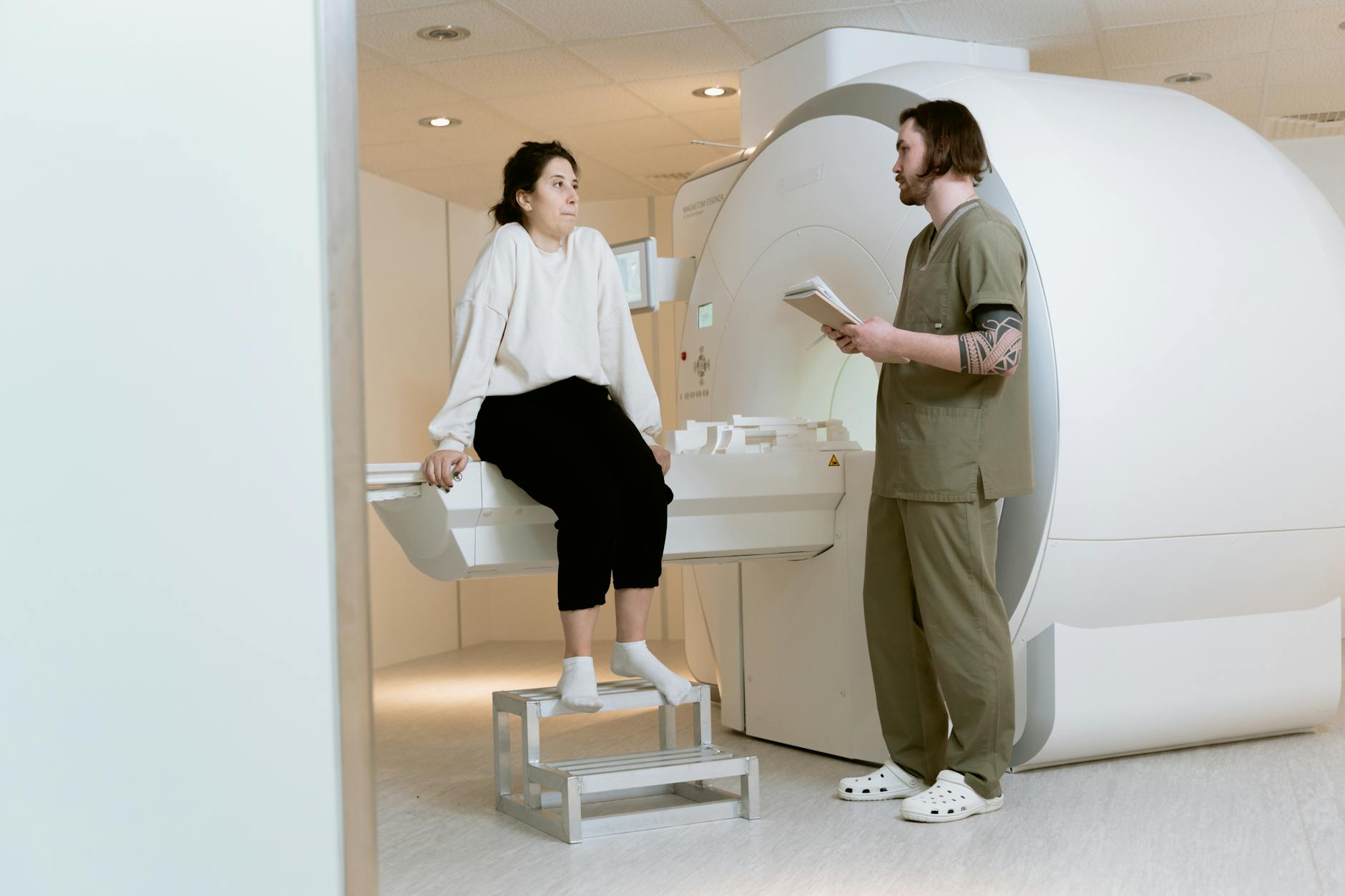
Third, look for programs that deliver a physician consultation — not just a radiology report — to contextualize findings within your complete health history, risk factors, and longitudinal biomarker data. Fourth, evaluate whether the program integrates with a broader executive health ecosystem that includes genetics, metabolomics, and performance optimization. Fifth, assess continuity: the highest-value MRI programs establish a longitudinal imaging library for each client, enabling precise year-over-year comparison that transforms a one-time scan into a living health dataset. This integrative philosophy is precisely what separates concierge medicine for executives from conventional imaging referrals.
Full Body MRI Cost for Executives: What You Should Expect to Pay
In the United States, whole-body MRI at premium executive health centers ranges from $1,500 to $5,000 out of pocket, reflecting significant variation in protocol comprehensiveness, radiologist expertise, field strength, and post-scan consultation depth. Programs that include cardiac MRI with gadolinium contrast, whole-body diffusion-weighted sequences, neurovascular MRA, and a 60-minute physician interpretation session command the higher end of this range — and are worth it for the depth of intelligence delivered.
Health insurance coverage for whole-body MRI screening in asymptomatic individuals remains limited in most markets, as major payers classify it as investigational rather than standard preventive care. However, Health Savings Accounts (HSAs) and Health Reimbursement Arrangements (HRAs) can frequently be applied to these costs when ordered by a physician for specific clinical indications — a nuance worth discussing with your concierge physician before booking.
The economic framing I offer every executive client is this: a comprehensive whole-body MRI at $3,000 represents less than one week of opportunity cost for most senior leaders — and a single detected finding that enables curative rather than palliative treatment creates an ROI that no financial instrument can replicate. Your cognitive capital, your institutional knowledge, your relationships, and your plans all depend on your biological continuity.
Integrating Full Body MRI Into Your Executive Longevity Protocol
Whole-body MRI achieves its maximum clinical value not as a standalone event but as one pillar within a comprehensive, longitudinal executive health architecture. Structural imaging tells you what exists in your body at a moment in time; it does not tell you why, or how fast a given process is advancing, or what your personalized intervention should be. That interpretive depth requires integration with functional biomarkers, genomic data, metabolic panels, and performance assessments.
I recommend that executive clients approaching their first whole-body MRI complete a foundational biomarker assessment — including advanced lipid panels, inflammatory markers (hs-CRP, IL-6, fibrinogen), hormonal profiles, metabolic markers (fasting insulin, HOMA-IR, HbA1c), and organ function panels — in the 30 days preceding imaging. This creates a cross-referenced health intelligence layer that enables far more precise interpretation of imaging findings. Our Longevity Biomarkers Executive Guide details exactly which panels matter most and how to use them to contextualize structural findings.
For executives over 45, I advocate for whole-body MRI on a 24-month cycle, with targeted organ-specific repeats (cardiac, neurovascular, hepatic) annually based on individual risk stratification. This cadence aligns with the biological timescales of most early-stage malignancies and cardiovascular pathologies — fast enough to catch progression, spaced appropriately to avoid over-investigation of stable incidental findings.
Understanding Your Results: How to Interpret Incidental Findings Without Panic
The most psychologically challenging aspect of whole-body MRI for many executives is receiving a report containing findings they did not expect and do not immediately understand. The probability of at least one incidental finding in an asymptomatic adult over 40 exceeds 50 percent in many published series — and the majority of those findings require nothing more than a scheduled follow-up or a confirmatory study.
Common benign incidental findings include renal cysts (Bosniak I and II), hepatic hemangiomas, small pulmonary nodules below 6mm, benign adrenal adenomas, uterine fibroids, spinal disc degeneration without cord compression, and pituitary microadenomas. Each of these has an established clinical management algorithm; none of them requires emergency intervention. The key is having a physician who can stratify findings by clinical significance, communicate that stratification clearly, and design an appropriate surveillance or workup pathway without triggering unnecessary procedural cascades.
This is precisely where the concierge physician model outperforms transactional imaging: your physician knows your complete health context, your risk tolerance, your family history, and your performance demands. A 4mm renal lesion in a 58-year-old with a family history of renal cell carcinoma demands a different response than the same finding in a 42-year-old with no relevant history. Context is everything, and your imaging results deserve a physician who provides it.
Frequently Asked Questions: Full Body MRI Screening for Executives
Is full body MRI screening scientifically validated, or is it still considered experimental?
Whole-body MRI occupies an evidence-based but evolving position in preventive medicine. Multiple peer-reviewed studies published in journals including Radiology, European Radiology, and the Journal of the American College of Radiology have documented its diagnostic yield, incidental finding rates, and potential clinical impact in asymptomatic populations. The technology itself — MRI physics, sequencing protocols, and radiologic interpretation — is thoroughly validated and FDA-cleared for clinical use across all organ systems it images.
Where scientific debate continues is in the domain of population-level cost-effectiveness and the net clinical benefit of screening unselected asymptomatic individuals. For healthy 35-year-olds with no risk factors, the evidence for population-wide screening remains insufficient. However, for executives who represent a specific high-risk phenotype — elevated stress biomarkers, metabolic syndrome components, family history of early malignancy or cardiovascular disease, age over 45, high biological age on longevity panels — the individualized risk-benefit calculation shifts substantially in favor of screening. This is why whole-body MRI in executive medicine is always positioned as personalized medicine, not mass screening.
Professional societies including the American College of Radiology and Society of Abdominal Radiology have published guidance on whole-body MRI that acknowledges both its clinical potential and the importance of structured follow-up pathways for incidental findings — guidance that elite executive health programs are designed to operationalize.
How long does a full body MRI take, and is it uncomfortable?
A comprehensive executive whole-body MRI protocol at a premium facility typically runs 60 to 90 minutes of active scanning time, with an additional 30 to 45 minutes allocated for preparation, contrast administration if applicable, and initial review. Some programs offer split-session protocols over two half-day appointments for executives who need to manage scheduling around travel or meetings, though most high-performance leaders prefer to consolidate the experience into a single immersive session.
The experience is non-invasive and painless. You lie still in the bore of the magnet while sequences are acquired — the primary challenges are the acoustic noise (resolved entirely with premium noise-canceling headphones and music selection, standard at leading facilities), the requirement for stillness during sequences, and for claustrophobic individuals, the enclosed environment. Wide-bore 3T magnets now used at executive health centers significantly reduce the claustrophobia issue; the bore diameter is typically 70cm, creating a substantially more open experience than legacy systems. If gadolinium contrast is included in your protocol, an IV line is placed — a minor and brief procedure.
Many executive clients report that the meditative quality of lying still in a dark, quiet environment for 60 to 90 minutes is unexpectedly restorative — an unintentional benefit for individuals accustomed to cognitive overstimulation. Premium programs enhance this experience with bespoke preparation rituals, dedicated suites, and post-scan consultation environments that match the standard of a luxury medical concierge.
Does full body MRI expose you to radiation?
No — this is one of the most clinically important advantages of MRI over alternative whole-body screening modalities. MRI uses magnetic fields and radiofrequency waves to generate images; there is zero ionizing radiation exposure, making it fundamentally different from CT scans, PET scans, and X-ray-based studies. This distinction is particularly relevant for executives pursuing annual or biennial longitudinal screening programs, where cumulative radiation dose from repeated CT-based protocols would become a meaningful concern over a 20 to 30-year preventive medicine career.
The radiation-free profile of MRI means it can be repeated as frequently as clinical judgment warrants without any dose-accumulation risk, and it is the only whole-body modality appropriate for comprehensive surveillance in young adults — including executives in their late 30s and early 40s who are appropriately investing in early biological baseline establishment. For executives who have previously undergone full-body CT scans, PET-CT scans, or repeated chest CTs for pulmonary nodule surveillance, transitioning annual structural surveillance to MRI-based protocols is a medically sound strategy for managing cumulative radiation exposure over a lifetime.
The one consideration with MRI is the use of gadolinium-based contrast agents (GBCAs) in protocols requiring vascular or lesion characterization. Gadolinium contrast has an established safety profile in individuals with normal renal function; its use in patients with reduced kidney function requires careful risk stratification. A comprehensive executive health program screens for renal function prior to any contrast-enhanced MRI and adjusts protocols accordingly.
At what age should executives begin full body MRI screening?
My clinical recommendation is that executives begin considering whole-body MRI baseline imaging at age 40, with the specific timing individualized based on family history, genomic risk data, existing biomarker findings, and biological age assessments. For individuals with a first-degree family history of early-onset malignancy (particularly pancreatic, colorectal, breast, or renal cancer), hereditary cardiovascular disease, or familial aneurysmal disease, initiating imaging surveillance at 35 is clinically defensible and increasingly practiced at leading longevity medicine centers.
The case for a 40-year-old baseline is compelling on several levels. It establishes anatomical reference images against which all future scans can be compared — a value that compounds significantly over decades. It captures the tail end of the age range at which many significant conditions first become detectable but are still highly treatable. And it aligns with the period in executive career trajectories when health capital most directly determines 20-year professional outcomes. An executive who detects and successfully treats early-stage disease at 42 preserves a decade or more of peak performance; one who encounters the same disease at 55 when it is symptomatic and advanced faces categorically different odds.
After an initial baseline, repeat whole-body MRI every 24 months is appropriate for most executives aged 40 to 55 with low-to-moderate risk profiles. After 55, or in individuals with elevated biological age markers, annual comprehensive imaging — potentially supplemented by more frequent targeted organ studies — is the standard I apply in my executive practice.
Can full body MRI detect cancer reliably?
Whole-body MRI demonstrates high sensitivity for a range of malignancies, with performance varying by organ system, tumor histology, and lesion size. It is particularly effective for detecting renal cell carcinoma, hepatocellular carcinoma, pancreatic ductal adenocarcinoma above 10mm, primary bone tumors, soft-tissue sarcomas, pituitary tumors, brain lesions, and lymphomatous deposits in nodes and marrow. Whole-body diffusion-weighted imaging (WB-DWI) enhances oncologic sensitivity by exploiting the cellular density differences between malignant and normal tissue, adding a functional layer to structural assessment.
Where MRI has recognized limitations in oncologic detection: it is less sensitive than low-dose CT for small pulmonary nodules below 6mm due to motion artifact from respiratory and cardiac movement, and it has lower sensitivity than mammography with ultrasound for non-mass-forming breast lesions. These gaps are addressed in a comprehensive executive protocol by adding targeted supplements — dedicated breast MRI (the most sensitive single modality for breast cancer in high-risk women), lung-specific LDCT for smokers or former smokers, and colonoscopy for colorectal surveillance — creating a multimodal safety net rather than relying on any single imaging study.
It is also critical to understand that MRI, like all imaging, has specificity limitations: it will generate false positives that require follow-up investigation. A well-designed executive health program anticipates this, communicates the expected incidental finding rate candidly before the scan, and has structured pathways for efficient, non-anxiety-inducing workup. The goal is actionable intelligence, not alarm — and that requires both excellent imaging technology and excellent clinical judgment in its interpretation.
How does full body MRI compare to other executive health screening approaches like Galleri blood tests or DEXA scans?
Each of these modalities operates on a fundamentally different biological principle and provides non-overlapping information — which is precisely why the most sophisticated executive health programs deploy them in combination rather than choosing between them. Whole-body MRI provides structural anatomical intelligence: it shows you where something is, what it looks like, and how large it is. Multi-cancer early detection (MCED) blood tests like Galleri detect cancer signal-of-origin patterns in circulating cell-free DNA, providing a molecular surveillance layer that can catch malignancies in locations difficult to image — including some upper gastrointestinal and ovarian cancers. DEXA scans provide quantitative data on body composition (bone mineral density, lean mass, visceral adipose tissue) that is directly actionable for metabolic and musculoskeletal optimization.
In my executive longevity protocol, I position whole-body MRI as the structural foundation, MCED liquid biopsy as the molecular surveillance layer, advanced cardiac imaging and calcium scoring as the cardiovascular layer, DEXA and VO2max testing as the metabolic performance layer, and comprehensive biomarker panels (inflammatory, hormonal, metabolic, genomic) as the biochemical intelligence layer. This integrated architecture creates overlapping fields of detection that no single modality can replicate. Missing cancer on MRI but catching it on liquid biopsy — or vice versa — is the clinical redundancy that elite preventive medicine is designed to provide.
The investment required for this comprehensive stack is real — typically $8,000 to $20,000 annually for a fully integrated executive longevity program — but it must be contextualized against the biological and financial stakes. For an executive managing an enterprise, stewarding family wealth, and planning a 30-year post-peak-career chapter, this is not a discretionary luxury. It is infrastructure maintenance for the most valuable asset in the
Scientific References & Sources
